
African Safari in November and December: The Complete Guide to Timing, Prices and Wildlife
If you have been dreaming of an African safari, November and December could be the perfect time to go. By then, the crowds from the long dry season have left, the landscape is becoming green again, and you might spot newborn animals. Many lodges also offer lower rates during this period, making your dream trip more affordable. However, the festive season can bring higher prices in some places, so it helps to know the best destinations and when to book.
This guide will help you plan an African safari at the end of the year. You'll learn what the weather is like in East and Southern Africa, which animals you might see, what prices to expect at different comfort levels, how to compare safari packages, and how to pick the best wildlife park for your travel style. By the end, you should feel ready to choose your destination, set your budget, and book your trip.
Why November and December Are Great Months for an African Safari
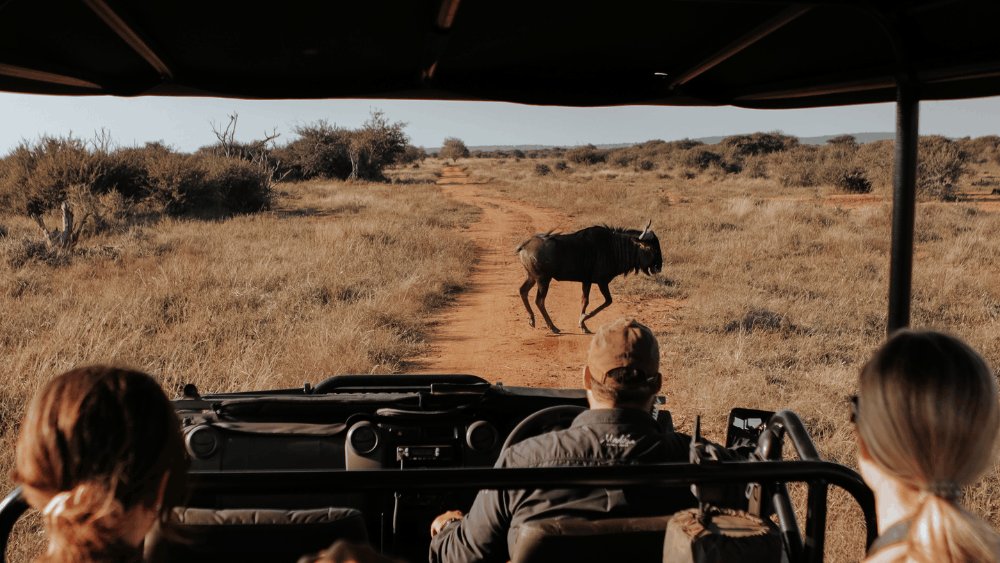
Many travelers think the best time for an African safari is during the dry months from June to October, when animals gather at waterholes, and the bush is easier to see through. While this is true, it’s not the whole story. November and December, which mark the start of the rainy season, also have some great benefits.
First, the scenery transforms. Dry grasslands become bright green, wildflowers bloom, and thousands of migratory birds arrive. After a rain shower, the light is perfect for photos. The skies often clear, giving you crisp, dust-free afternoons that make the landscapes look almost unreal.
Second, many animals give birth during this time. In Southern Africa, impala, wildebeest, zebra, and other antelope give birth in early summer, so you’ll see lots of newborn calves and fawns. Predators are close by, so there’s often even more action. In the southern Serengeti, the big herds start gathering on the short-grass plains for the calving season, which peaks in the weeks ahead.
Third, there are fewer vehicles at wildlife sightings. Especially in early November, you might see a lion or leopard with just one or two other safari vehicles nearby. Guides can spend more time with you, and lodges feel quieter and more personal.
Finally, you get better value. Early and mid-November rates at many camps are much lower than peak-season prices, and you’ll often find special deals like stay-seven-pay-six offers. Just keep in mind that Christmas and New Year are different. Many families travel during school holidays, so the most popular camps can sell out months ahead and charge higher rates.
An African Safari in East Africa: Kenya and Tanzania
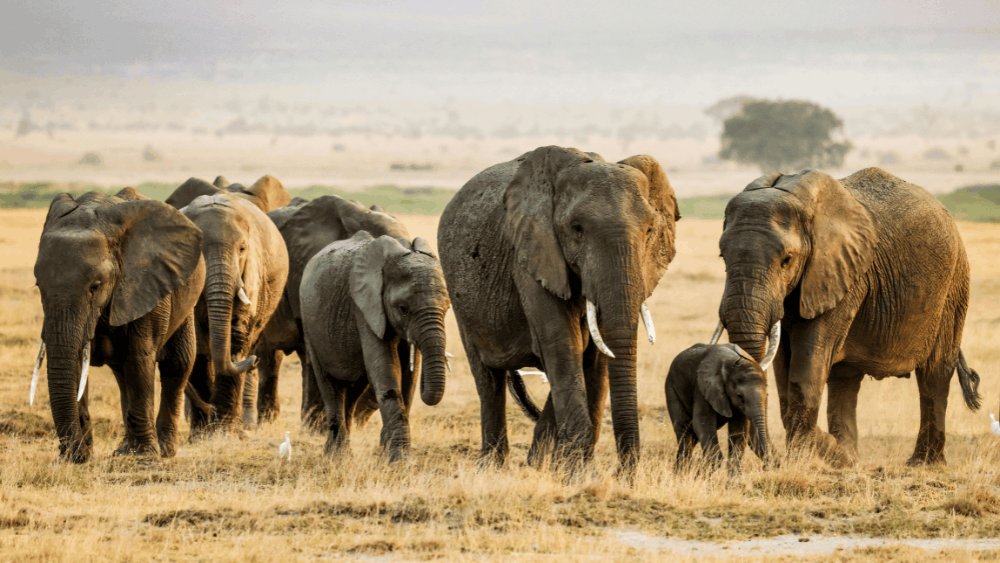
East Africa is a classic spot for an African safari, and visiting in November or December gives you a unique experience. Short rains usually fall from late October through November, then it gets drier in December and January. The rain often comes as quick afternoon or evening showers instead of lasting all day, so you can still go on game drives most days.
In Tanzania, the Serengeti is the main attraction. By late November, huge herds of wildebeest and zebra start moving south from the northern and central areas toward the Ndutu region and the southern plains. By December, you might see hundreds of thousands of animals spread across the short-grass plains, preparing for the calving season, which usually peaks in February. Predators like lions, cheetahs, and hyenas follow the herds, so the southern Serengeti and the Ngorongoro Conservation Area are great places to visit. Ngorongoro Crater is packed with wildlife all year, and its black rhinos, flamingos, and big-maned lions are always worth seeing. Tarangire National Park is also a good choice during this time, with big elephant herds and baobab trees that look beautiful under the green-season skies.
In Kenya, the Masai Mara has wildlife year-round, including big cats, elephants, giraffes, and hippos. The main wildebeest river crossings happen earlier, but in November and December, the Mara is green, peaceful, and full of action, making it great for spotting predators and taking photos. Amboseli offers clear views of Mount Kilimanjaro above its elephant herds once the rains end, and Laikipia is a good spot to mix game drives with walking, horseback, and night safaris.
Travelers should be ready for some muddy roads, possible road closures, and the need to be flexible. However, experienced guides know how to adjust routes as needed. Choosing a safari Provider with strong local knowledge is the best decision you can make for an East African trip during this season.
An African Safari in Southern Africa: Kruger, Botswana, Zambia and Namibia
Summer in Southern Africa begins in November and December, bringing warm weather, humidity, rain, and lots of new life. If you want a green safari with young animals and good value, this is a great region to visit.
South Africa is one of the easiest places for a safari. Kruger National Park and nearby private reserves like Sabi Sand, Timbavati, and Klaserie are especially green at this time. In late November and early December, you’ll see many impala lambs, and it’s also a good time to spot leopards, lions, and wild dogs hunting. Because of the heat, most game drives are at dawn or late afternoon, with a midday break at camp. For a family-friendly and malaria-free safari, try Madikwe or the Eastern Cape parks near Gqeberha.
The Okavango Delta in Botswana has less water now, but the first rains bring fresh grass, and many camps lower their prices. You can still see plenty of wildlife, including elephants, lions, wild dogs, and many birds. Chobe National Park is famous for its large elephant herds and is a convenient place to stay if you want to visit Victoria Falls.
In Zambia and Zimbabwe, Victoria Falls starts to swell with the first rains. The full flood comes later, but the spray, rainbows, and green scenery are already impressive. South Luangwa National Park in Zambia turns bright green, and many camps stay open for bird-watchers and photographers who enjoy quiet surroundings. In Namibia, Etosha National Park gets its first rains and attracts many animals, while the dry areas of Damaraland and the Namib Desert offer a different kind of adventure.
Remember that some bush camps in remote areas close from about November to March because of flooding. If you want to stay at a certain lodge, check its open dates before making any plans.
Safari Animals You Can See in November and December
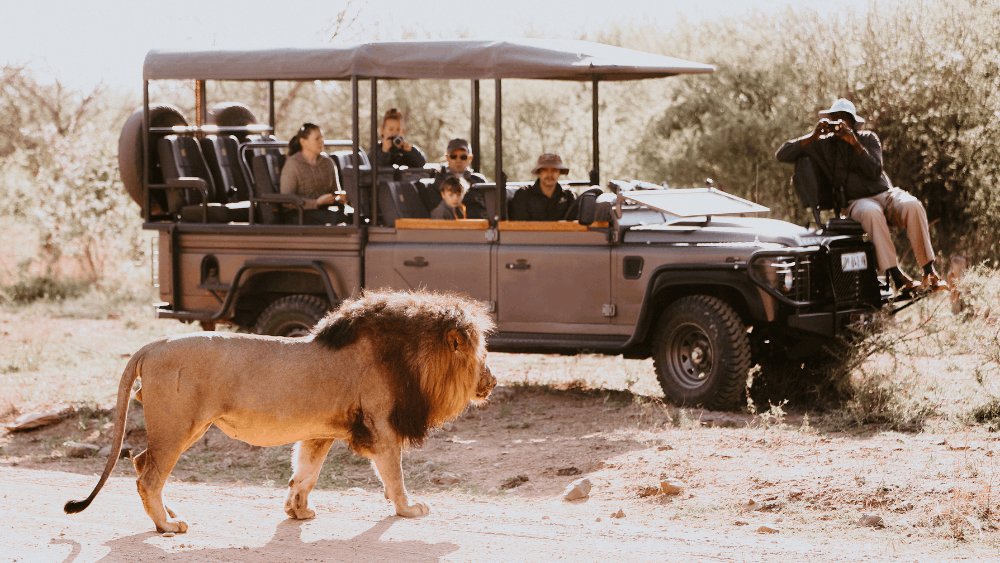
Most people want to know which safari animals they’re likely to see. While wildlife sightings aren't guaranteed, this season gives you a good chance to spot many well-known species.
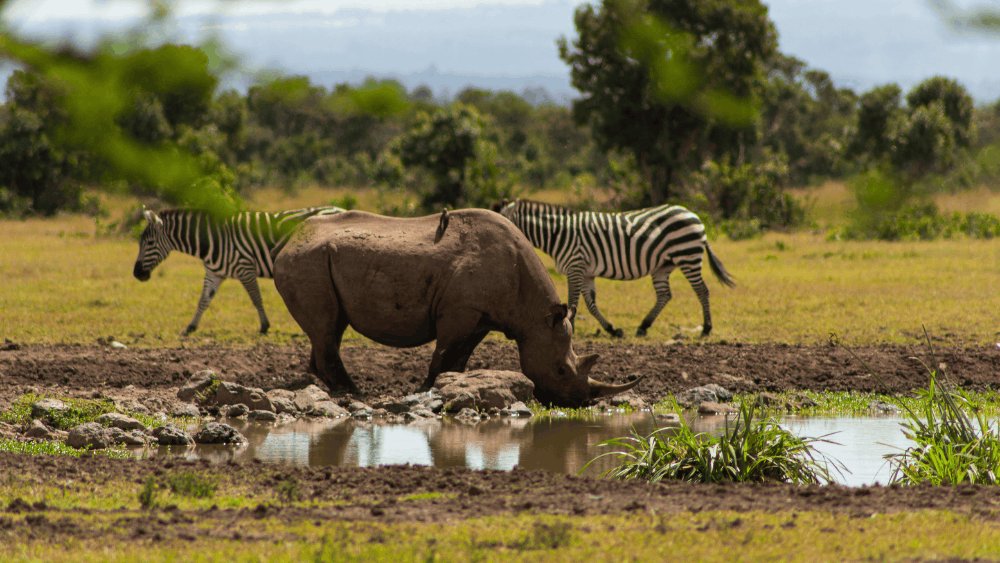
You can see all of the Big Five—lion, leopard, elephant, buffalo, and rhino—in the right parks. Lions and elephants are usually the easiest to spot, especially in the Serengeti, Masai Mara, Chobe, and Kruger. Buffalo often gather in big herds and are common in most major parks. Leopards are harder to find, but even with the thicker green-season vegetation, there’s plenty of prey around, and skilled trackers in places like Sabi Sand often help guests spot them. Rhinos are the trickiest, but you still have a good chance in places like Ngorongoro Crater, Etosha, Madikwe, and several Kenyan conservancies.
Besides the Big Five, you’ll see plenty of herbivores. Giraffes, zebras, wildebeest, hippos, waterbuck, kudu, and eland are common on most trips, and seeing young animals brings a playful energy to the bush. Other predators you might spot include cheetahs, spotted hyenas, jackals, and the endangered African wild dog. Wild dogs often den in the early southern summer, so you might even get the rare treat of watching their pups.
Birdwatching is a real highlight right now. Many European migrants arrive, and local birds show off their bright breeding colors. You could see over three hundred species on one trip. Favorites include carmine bee-eaters, lilac-breasted rollers, African fish eagles, and secretary birds. Even people who don’t consider themselves birders often find themselves amazed.
Keep in mind that the bush is thicker during the green season, so animals can be harder to spot than in the dry months. But you’ll enjoy better light, cooler mornings on game drives, and fewer vehicles around. Having a good guide really helps you make the most of your sightings.
African Safari Prices: What to Budget for This Season
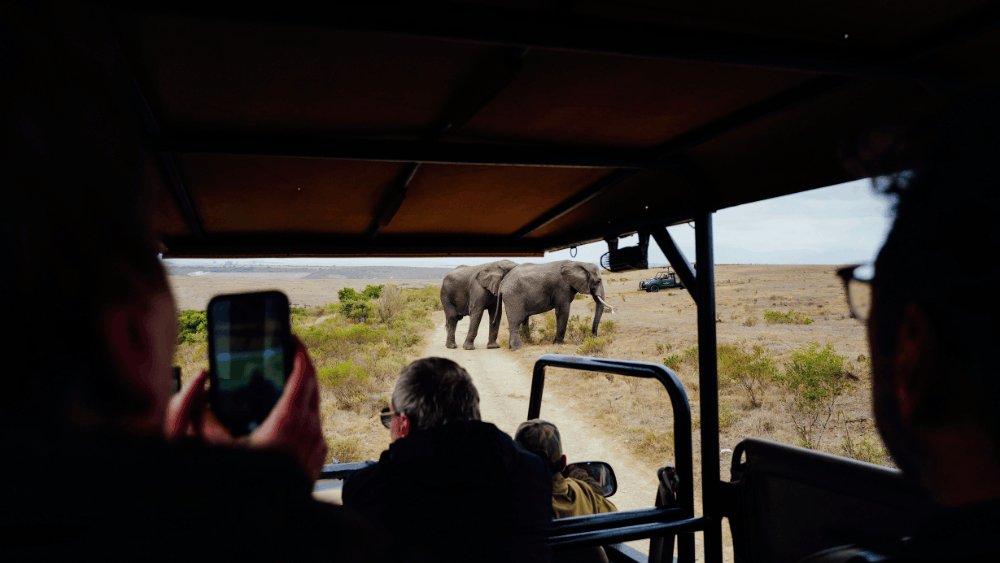
Budget is usually the main practical concern, and African safari prices can vary a lot depending on the country, type of accommodation, and time of year. The ranges below are typical per person per night, but always check with Providers since rates, currency changes, and park fees often change.
Budget safaris, which usually mean camping or staying in simple tented lodges and sharing vehicles, often start at about 150 to 300 US dollars per person per day in East Africa. Mid-range safaris, with comfortable lodges or permanent tented camps, usually cost between 300 and 650 US dollars per person per day. Luxury safaris, which include boutique lodges, private vehicles, fly-in transfers, and exclusive concessions, can range from 700 dollars to well over 1,500 dollars per person per night. Ultra-premium camps in Botswana or private Kruger reserves can be even more expensive.
The time of year makes a big difference. In November, many places offer shoulder or green-season prices, which can be 20 to 40 percent lower than peak-season rates. In December, things change. Early December is often still good value, but the weeks around Christmas and New Year usually have higher prices, minimum-stay rules, and fewer available rooms.
Park and conservation fees make up a big part of the total cost. Top parks like the Serengeti and Masai Mara charge non-resident entry fees per adult per day, which can add up on longer trips. South African national parks usually have lower conservation fees, and private reserves often include them in the nightly rate. Always check if the quoted price covers park fees, meals, drinks, laundry, airport transfers, and game drives.
Other costs include international flights, domestic or bush flights, visas, travel insurance, vaccinations, tips for guides and camp staff, and optional activities like hot-air balloon rides, which can cost several hundred dollars per person. Self-drive trips in South Africa, Namibia, and Botswana can save money for confident and adventurous travelers.
A useful tip is to book early for the Christmas period and look for last-minute deals in November. Since shoulder-season prices depend on lodge occupancy, flexible travelers often get the best deals by contacting Providers a few weeks before they leave.
Safari Packages: How to Choose the Right One
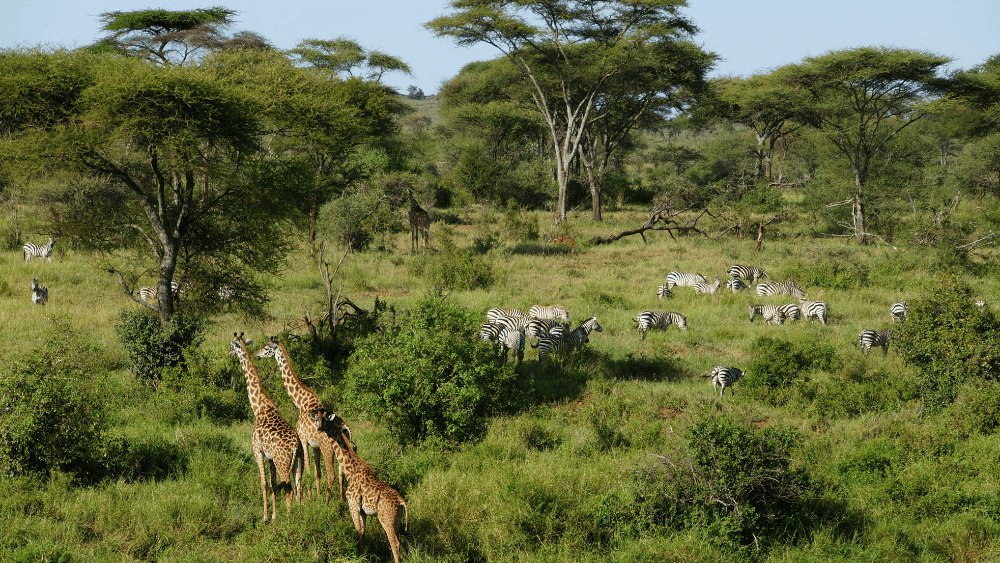
Many safari packages are available, and choosing the right one can make a big difference in your trip. Knowing the main options helps you compare offers wisely, rather than focusing only on the price.
Group tours are usually the cheapest choice. You join a small group of other travelers, follow a set plan, share vehicles, and leave on a fixed date. These tours are good for solo travelers or anyone on a budget, and they make planning easier. The downside is you have less flexibility because you stick to the group’s schedule.
Private guided safaris are a favorite for couples and families. You have your own vehicle and guide, can go at your own speed, and change plans to fit what you want—like staying longer with a leopard or returning to camp early. These safaris cost more, but the extra comfort and control are often worth it, especially with kids.
Fly-in safaris use small planes to reach remote camps. This saves you from long drives on rough roads and gives you amazing views from above. They are common in Botswana, the Serengeti, and Zambia, but they do cost more.
Self-drive and mobile-camping packages are great for independent travelers who like the freedom to explore on their own. These options work well in Kruger, Namibia, and some areas of Botswana, but you need to plan carefully and know the local conditions.
When you compare safari packages at ActionTrails, look closely at what’s included. Good itineraries will tell you how many game drives you get, what kind of vehicle you’ll use, how many people share each vehicle, how experienced your guide is, what meals are covered, and what type of accommodation you’ll have. A window seat is important, so look for Providers that guarantee one for every guest. Also, check the cancellation policy, as weather and travel conditions can change, especially in the green season.
You might also want to combine destinations. For example, many people add a few days in Zanzibar after a Serengeti safari, or visit Cape Town and the Garden Route along with Kruger. Victoria Falls and Chobe are another great combination. Booking a multi-destination package through one trusted operator can give you good value.
Choosing an African Safari Wildlife Park
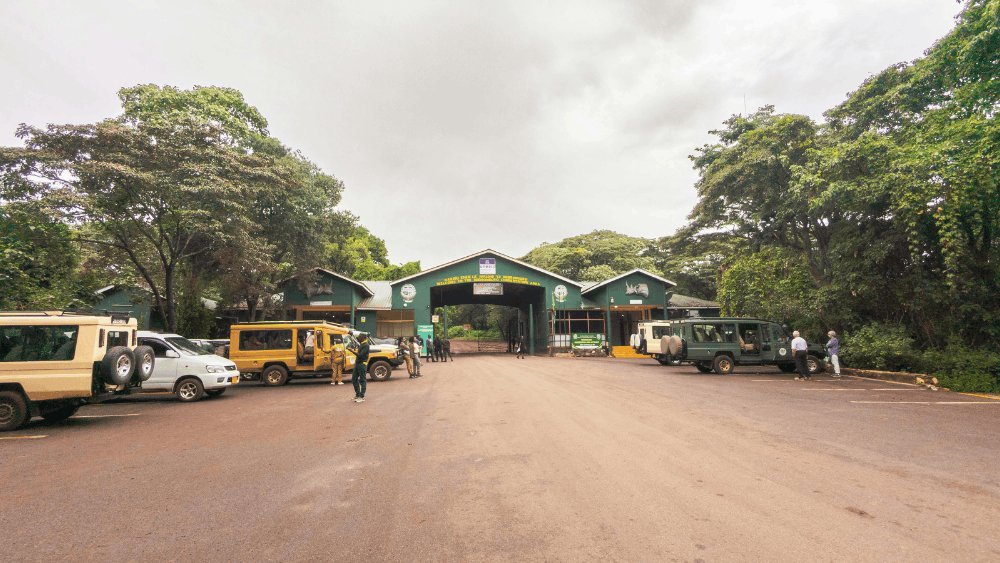
Choosing the right African safari wildlife park can be tough with so many options. Focus on what matters most to you, rather than choosing only the most famous parks.
If you want to see lots of animals, the Serengeti, Ngorongoro Crater, and Masai Mara are great choices, especially for spotting predators. For a quieter and more personal safari, try South Luangwa in Zambia, Laikipia in Kenya, or a private reserve next to Kruger, where you can often go off-road and take night drives. If you're traveling with young kids, malaria-free reserves in South Africa are a good option, with child-friendly activities and shorter travel times.
If you love photography, choose parks that are easy to get to and have guides who can adapt to your needs. Birdwatchers will enjoy the Okavango wetlands, the Chobe River, and the Rift Valley lakes. For those interested in both wildlife and culture, Kenya and Tanzania offer chances to meet Maasai communities and learn about local conservation work.
It's also important to think about how easy it is to reach the park. Some are close to major airports, while others need several flights and long drives. During the rainy season, travel can be delayed, so allow extra time and avoid booking flights too close together.
Lastly, consider how your trip can support conservation. Choose lodges that hire local staff, support anti-poaching efforts, and invest in community projects. This way, your safari helps protect the wildlife you want to see. Don't forget to ask about sustainability and look for trusted eco-certifications.
Practical Planning Tips for a November or December Safari
Planning ahead helps your trip go more smoothly. Start by checking health requirements as soon as you can. Because malaria is common in many safari areas, visit a travel clinic to discuss prevention and see if you need any routine vaccines or a yellow fever certificate. Use insect repellent, wear long sleeves in the evenings, and sleep under a net if possible.
Be ready for changing weather. Early morning game drives can be chilly, even in summer, so bring layers, a light rain jacket, a wide-brimmed hat, sunscreen, sunglasses, and neutral-colored clothes like khaki, olive, or tan. Wear comfortable, closed shoes in the vehicle, and bring binoculars for a better view. If you plan to take photos, a 200 to 400-millimeter lens works well for wildlife, and a dust-proof bag or rain cover is helpful at this time of year.
Consider getting travel insurance that covers medical evacuation, since some safari locations are very remote. Check that your passport is up to date and review the visa requirements for each country you plan to visit. Bring cash for tips, as guides and camp staff rely on gratuities, so include this in your budget.
If you plan to travel during Christmas or New Year, book your trip six to nine months in advance. For trips in November, booking three to four months ahead gives you more choices. Pick a licensed Provider with recent positive reviews who clearly explains what is included in your trip.
Final Thoughts: Is November or December Right for Your African Safari?
An African safari at the end of the year is a great choice for travelers open to the green season. You’ll find lush scenery, newborn animals, amazing birdlife, and dramatic skies. Crowds are usually thinner, and prices are better than during the busy dry season. You may deal with rain, thicker vegetation, or higher prices around the holidays, but a good guide can help you enjoy your trip.
You might pick the southern Serengeti for calving season, Kruger for its birthing bushveld, the peaceful Okavango channels, or the powerful Victoria Falls. The most important thing is to find a destination that fits your budget and interests. Take time to compare safari prices, review each package's details, consider which animals you want to see most, and choose a wildlife park that matches your travel style.
Start planning now, talk to trusted safari Providers, and book early if you want to travel during the holiday season. A safari in November or December could become your favorite trip ever.
Book Your African Safari with ActionTrails
Ready to make your travel plans a reality? With ActionTrails, booking an African safari is easy through our trusted Providers. If you’re comparing safari packages, looking at prices, or choosing the best wildlife park, our Providers will help you find the right option for your dates, budget, and travel style.
Since November and December fill up fast during the festive season, it’s best to start planning now. Explore ActionTrails, pick a safari that fits your plans, and book confidently with our trusted Providers.
Featured Adventures
Experiences mentioned in this article

Safaris and adventure Tanzania
This is short Briefly of our Great Safari and adventurers where wild Hazina Safaris Company guides we will take you to the next level and create some unforgettable memories by explain animal behavior and ensure your safety, what you experience on this trip will stay with you forever and will be a reason for jealousy for all your friend, just make sure you go straight in and book your adventurers with us,even better still you could take your friends with you on this trip and forge the unforgettable bond that is made when you go together on an adventure.