
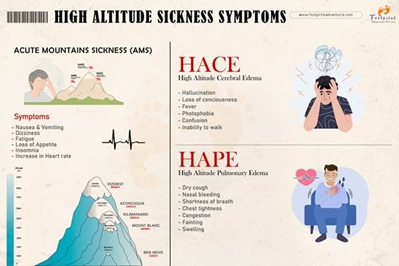
Altitude Sickness: Recognition, Prevention, and Treatment
A Guide for Himalayan Treks and Mt. Kilimanjaro
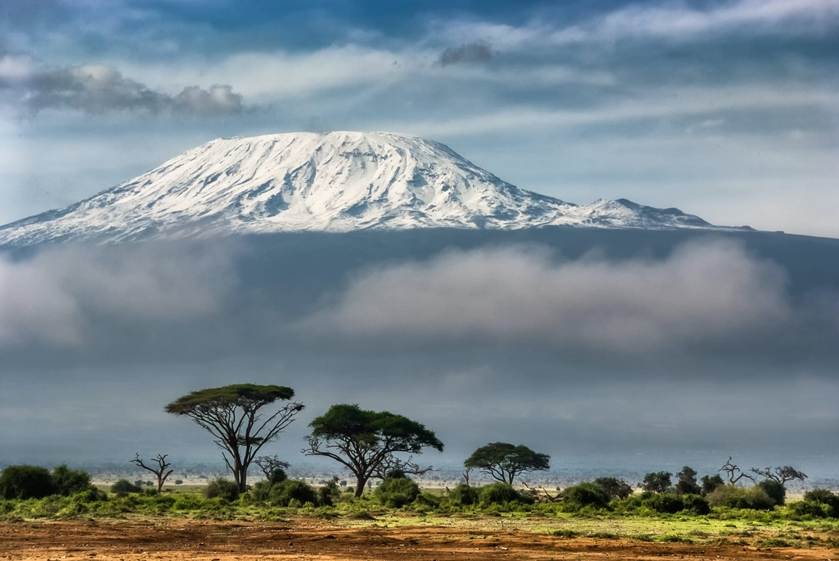
Mount Kilimanjaro, where many trekkers experience altitude-related challenges
Introduction
Altitude sickness, also known as acute mountain sickness (AMS), is a potentially serious condition that affects approximately 25-40% of travelers who ascend to elevations above 2,500 meters (8,200 feet). For adventurers planning treks in the Himalayas or attempting to summit Mt. Kilimanjaro, understanding this condition is not merely academic—it can be the difference between a successful journey and a dangerous medical emergency.
The Himalayan mountain range, with numerous peaks exceeding 8,000 meters, and Mt. Kilimanjaro, standing at 5,895 meters (19,341 feet), present significant altitude challenges. These iconic destinations attract thousands of trekkers annually, many of whom underestimate the body’s response to high altitude environments. While most cases of altitude sickness are mild and self-limiting, severe forms can be life-threatening if not promptly recognized and properly treated.
This article provides evidence-based guidance on recognizing altitude sickness symptoms, understanding prevention strategies, and implementing appropriate treatments. Special attention is given to medication options—particularly Acetazolamide (Diamox) and alternatives—with specific dosage recommendations, side effects, and contraindications. By familiarizing yourself with this information before your high-altitude adventure, you’ll be better equipped to make informed decisions that prioritize safety while maximizing your chances of reaching your trekking goals.
Understanding Altitude Sickness
Definition and Causes
Altitude sickness occurs when the body fails to adapt quickly enough to decreased oxygen levels and lower atmospheric pressure at high elevations. At sea level, the atmospheric pressure is approximately 760 mmHg with an oxygen concentration of 21%. As altitude increases, though the percentage of oxygen in the air remains constant, the number of oxygen molecules per breath decreases due to lower atmospheric pressure. At 5,500 meters (18,000 feet)—the approximate height of Everest Base Camp—atmospheric pressure drops to about half that of sea level, significantly reducing oxygen availability.
The fundamental problem is hypoxia—insufficient oxygen reaching the tissues. The body responds through a process called acclimatization, which includes:
- Increased respiratory rate and deeper breathing
- Elevated heart rate to circulate more blood
- Production of additional red blood cells to carry oxygen
- Changes in the acid-base balance of the blood
- Increased production of enzymes that facilitate oxygen release
When ascent occurs too rapidly for these compensatory mechanisms to develop adequately, altitude sickness can result.
Risk Factors
Several factors influence susceptibility to altitude sickness:
- Rate of ascent: The single most important controllable factor. Rapid ascent gives the body insufficient time to acclimatize.
- Maximum altitude reached: Higher elevations increase risk substantially, particularly above 3,500 meters (11,500 feet).
- Sleeping altitude: The altitude at which you sleep is more significant than the maximum altitude reached during daytime activities.
- Individual susceptibility: Some individuals are more prone to altitude sickness than others, regardless of age, gender, or physical fitness.
- Previous history: Having previously experienced altitude sickness increases the likelihood of recurrence.
- Physical exertion: Strenuous activity during the first 24 hours at a new elevation increases risk.
- Pre-existing conditions: Certain medical conditions, particularly cardiopulmonary disorders, can predispose individuals to altitude problems.
- Medications and substances: Alcohol, sleeping pills, and certain medications can worsen symptoms by depressing respiration.
Contrary to popular belief, physical fitness does not protect against altitude sickness. In fact, very fit individuals may be at higher risk if they ascend too quickly, believing their fitness will protect them.
Types of Altitude Sickness
Altitude sickness manifests in three distinct forms, ranging from uncomfortable but relatively benign to potentially fatal:
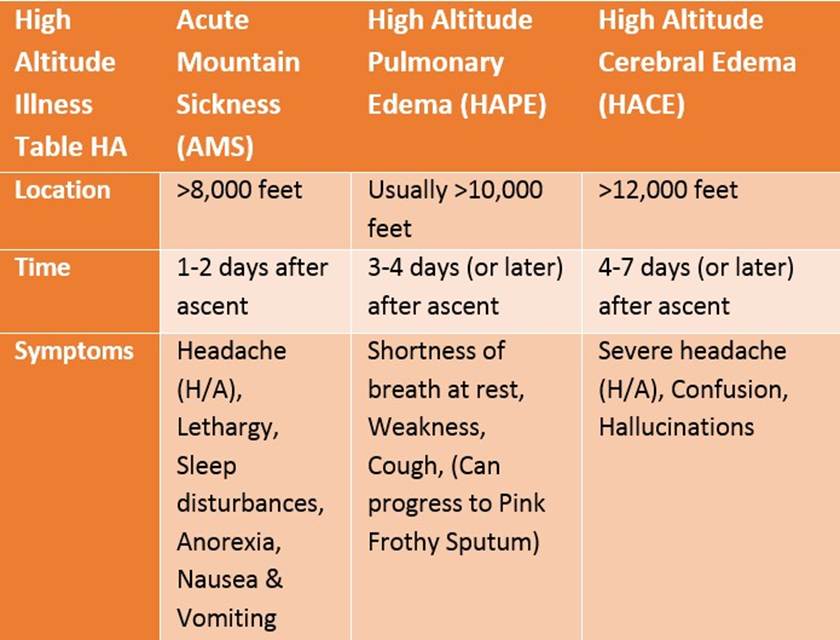
The three types of altitude sickness and their key symptoms
1. Acute Mountain Sickness (AMS)
AMS is the most common and mildest form, affecting approximately 25-40% of unacclimatized individuals who ascend to altitudes above 2,500 meters (8,200 feet). It typically develops within 6-12 hours after arrival at high altitude, though symptoms occasionally appear as early as 1 hour or as late as 24 hours post-ascent.
AMS is essentially a syndrome of nonspecific symptoms resembling a hangover or flu. The Lake Louise Scoring System, widely used for diagnosis, identifies these key symptoms:
- Headache (typically throbbing, worse with exertion)
- Gastrointestinal disturbances (nausea, vomiting, loss of appetite)
- Fatigue or weakness
- Dizziness or lightheadedness
- Sleep disturbance
Without appropriate intervention, AMS typically resolves within 24-72 hours as acclimatization occurs. However, continuing ascent with symptoms can lead to progression to more severe forms.
2. High Altitude Cerebral Edema (HACE)
HACE represents the end-stage or severe form of AMS, characterized by brain swelling due to fluid leakage. It affects approximately 0.5-1% of those who ascend above 4,000 meters (13,100 feet) and can develop either as a progression from AMS or, rarely, as the initial presentation.
Distinguishing features include:
- Altered mental status (confusion, disorientation)
- Ataxia (unsteady gait, lack of coordination)
- Severe headache unresponsive to analgesics
- Hallucinations
- Behavioral changes
- Decreased consciousness progressing to coma
HACE is a medical emergency that can be fatal within 24 hours if untreated. The classic progression is from AMS symptoms to uncharacteristic behavior, followed by ataxia, declining mental status, and eventually coma.
3. High Altitude Pulmonary Edema (HAPE)
HAPE involves fluid accumulation in the lungs and affects approximately 1-2% of individuals ascending above 3,000 meters (9,800 feet). Unlike AMS and HACE, which exist on a continuum, HAPE can develop independently, though it often occurs alongside AMS symptoms.
Key symptoms include:
- Persistent dry cough, later becoming productive with pink frothy sputum
- Shortness of breath, even at rest
- Decreased exercise performance beyond expected altitude effect
- Chest tightness or congestion
- Rapid breathing and heart rate
- Crackles or wheezing heard in the chest
- Cyanosis (bluish discoloration of lips and extremities)
- Low-grade fever (up to 38.5°C/101.3°F)
HAPE typically develops 2-4 days after arrival at high altitude and, like HACE, constitutes a medical emergency with potential fatality within 6-12 hours if untreated.
Recognizing the Symptoms
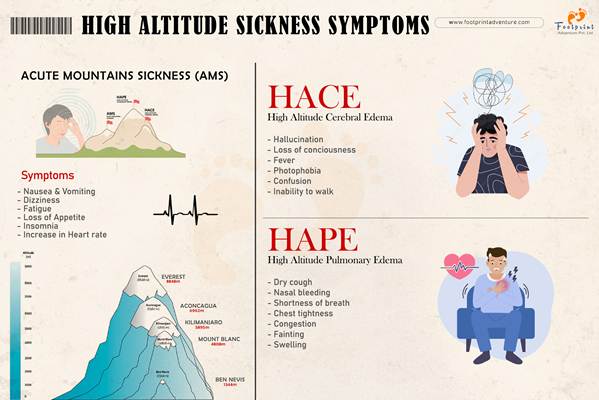
Common symptoms of altitude sickness that trekkers should recognize
Early recognition of altitude sickness symptoms is crucial for preventing progression to life-threatening conditions. The challenge lies in distinguishing normal acclimatization discomfort from pathological altitude sickness, as some degree of breathlessness and fatigue is expected at high altitude.
Early Warning Signs
The earliest and most reliable symptom of AMS is headache, which occurs in approximately 95% of cases. This headache has characteristic features:
- Typically frontal or occipital (back of head)
- Throbbing or pulsating quality
- Worsens with physical exertion, bending over, or lying flat
- Often accompanied by photophobia (sensitivity to light)
- Usually not relieved by standard analgesics
Gastrointestinal symptoms often accompany the headache and include nausea (present in 60-70% of cases), vomiting, and loss of appetite. These symptoms can significantly impact nutrition and hydration, potentially complicating recovery.
Sleep disturbances are nearly universal at altitude but become pathological when severe. Normal altitude-related sleep changes include frequent awakening and periodic breathing (Cheyne-Stokes respiration). Concerning sleep symptoms include:
- Complete inability to sleep despite exhaustion
- Frequent awakening with gasping or choking sensations
- Nightmares or vivid dreams
- Feeling unrefreshed despite adequate sleep duration
Progressive Symptoms
As AMS progresses or evolves into HACE or HAPE, additional symptoms emerge:
Neurological progression (HACE): - Confusion or disorientation - Difficulty with simple tasks - Personality changes or inappropriate behavior - Unsteady gait (ataxia)—tested by having the person walk heel-to-toe in a straight line - Hallucinations - Decreased consciousness
Respiratory progression (HAPE): - Persistent cough, initially dry - Shortness of breath at rest - Chest tightness or pressure - Inability to catch breath even after rest - Pink or bloody sputum - Gurgling sounds in the chest - Rapid breathing (>20 breaths per minute at rest)
Assessment Tools
The Lake Louise Scoring System provides a standardized method for assessing AMS severity:
Symptoms (self-assessment): - Headache: 0 (none) to 3 (severe, incapacitating) - Gastrointestinal: 0 (none) to 3 (severe nausea/vomiting, no appetite) - Fatigue/weakness: 0 (none) to 3 (severe, incapacitating) - Dizziness: 0 (none) to 3 (severe, incapacitating) - Sleep quality: 0 (slept well) to 3 (could not sleep at all)
A total score of 3-5 indicates mild AMS, while 6 or higher suggests severe AMS. Any score combined with ataxia or altered mental status indicates HACE.
Prevention Strategies
Prevention remains the most effective approach to altitude sickness management. Multiple strategies work synergistically to reduce risk and severity.
Acclimatization Guidelines
The fundamental principle of altitude sickness prevention is gradual ascent, allowing physiological adaptation to occur. Evidence-based recommendations include:
Below 3,000 meters (9,800 feet): - No specific restrictions on ascent rate - Monitor for symptoms in susceptible individuals
Above 3,000 meters: - Limit sleeping altitude increases to 300-500 meters (1,000-1,600 feet) per day - Include rest days every 3-4 days or every 1,000 meters (3,300 feet) of elevation gain - Follow “climb high, sleep low” principle when possible
Specific recommendations for popular destinations:
Everest Base Camp Trek: - Fly to Lukla (2,860m) rather than walking from lower elevations - Spend 2-3 nights in Namche Bazaar (3,440m) for initial acclimatization - Include acclimatization days in Namche, Dingboche (4,410m), and Lobuche (4,940m) - Consider side trips to higher elevations during rest days
Mt. Kilimanjaro: - Choose routes with better acclimatization profiles (Lemosho, Machame, or Northern Circuit over Marangu) - Avoid rapid ascent routes that reach the summit in fewer than 6 days - Consider adding extra acclimatization days, particularly at Barranco (3,950m) or Karanga (4,035m)
Hydration and Nutrition
Proper hydration supports acclimatization and reduces AMS risk:
- Maintain urine output of at least 1.5 liters per day
- Urine should be clear to light yellow
- Drink 3-4 liters of fluid daily at altitude
- Avoid excessive water intake (>5 liters/day) which can cause hyponatremia
Nutritional considerations: - Maintain adequate caloric intake despite decreased appetite - Emphasize carbohydrates (70% of calories) which require less oxygen for metabolism - Avoid alcohol, which can worsen symptoms and impair acclimatization - Limit caffeine, which can interfere with sleep and increase dehydration
Physical Preparation
While fitness doesn’t prevent altitude sickness, good cardiovascular conditioning: - Improves overall performance at altitude - Reduces fatigue and enhances recovery - Allows for more efficient oxygen utilization - Builds confidence and mental resilience
Pre-trip training should emphasize: - Cardiovascular endurance through hiking, running, or cycling - Leg strength for sustained uphill walking - Core stability for carrying backpacks - Mental preparation for challenging conditions
Environmental Considerations
Several environmental factors can be modified to reduce altitude sickness risk:
- Avoid rapid ascent by motorized transport when possible
- Plan rest days during periods of poor weather
- Maintain warmth, as cold stress increases oxygen consumption
- Protect against UV radiation, which is intensified at altitude
- Consider timing ascents to avoid extreme weather seasons
Medication Details
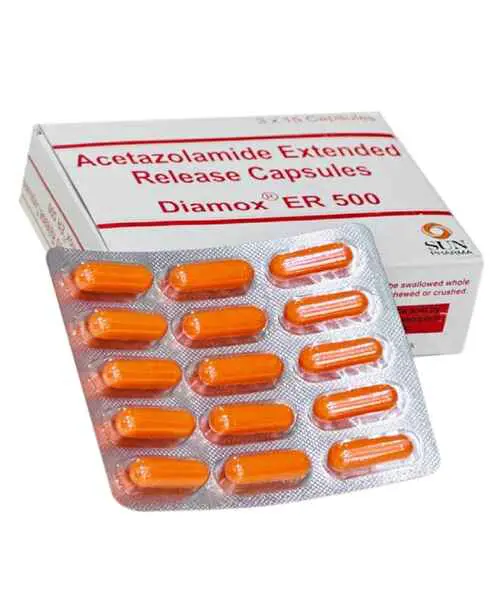
Common medications used for altitude sickness prevention and treatment
Pharmacological interventions play an important role in both preventing and treating altitude sickness. Understanding the specific medications, their appropriate dosages, and their limitations is essential for trekkers heading to high-altitude destinations.
Acetazolamide (Diamox)
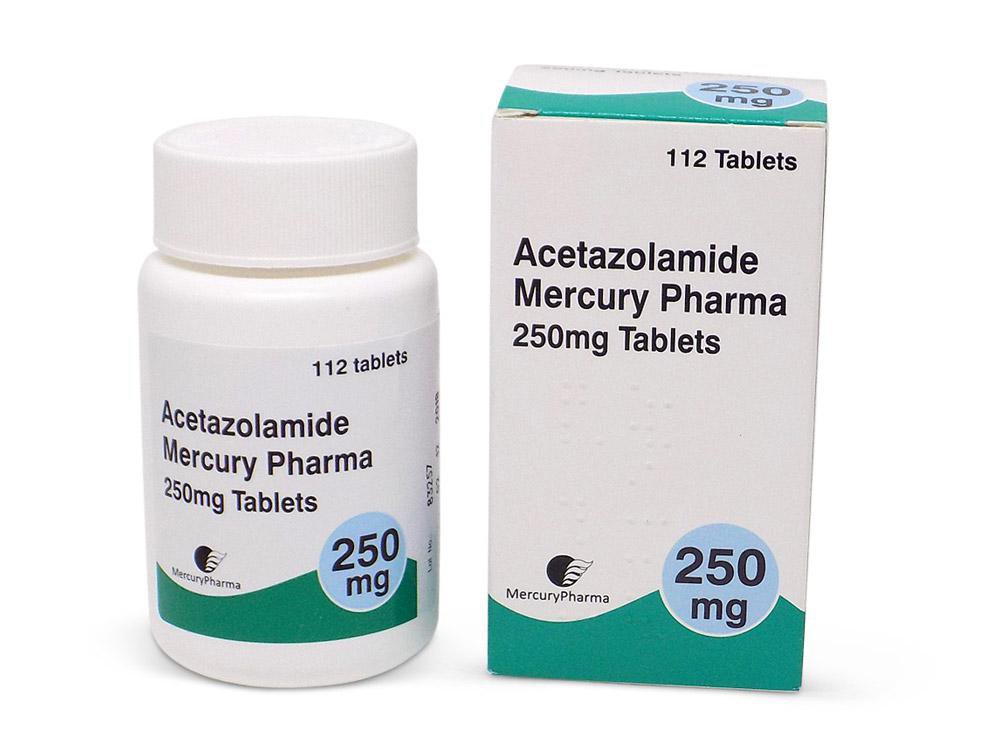
Acetazolamide (Diamox) tablets, the most commonly used medication for altitude sickness
Acetazolamide, commonly known by its brand name Diamox, is the most widely used medication for altitude sickness prevention and treatment. It works by inhibiting the enzyme carbonic anhydrase, which causes increased renal bicarbonate excretion, creating a mild metabolic acidosis that stimulates ventilation and improves oxygenation.
Dosage for Prevention
Standard preventive dosage: - Adults: 125 mg twice daily, starting 24 hours before ascent above 2,500 meters (8,200 feet) and continuing for 48 hours after reaching maximum altitude or until descent below 2,500 meters - Children: 2.5 mg/kg/dose (up to 125 mg) twice daily
Alternative preventive dosages: - Lower dose: 62.5 mg (quarter tablet) twice daily may be effective with fewer side effects - Higher dose: 250 mg twice daily may be necessary for individuals with history of severe AMS
Specific recommendations for popular destinations:
Himalayan Treks: - Start medication in Kathmandu (1,400m) before flying to Lukla (2,860m) - Continue throughout trek until descent below Namche Bazaar
Mt. Kilimanjaro: - Begin 24 hours before starting the climb - Continue until beginning descent from summit
Dosage for Treatment
For established AMS: - Adults: 250 mg twice daily until symptoms resolve - Children: 5 mg/kg/dose (up to 250 mg) twice daily
Duration: Continue until symptoms resolve or descent is initiated
Side Effects
Common side effects include: - Increased urination (polyuria) - Paresthesia (tingling) in hands, feet, and around mouth - Altered taste of carbonated beverages - Nausea - Drowsiness - Headache (ironically)
Less common but significant side effects: - Allergic reactions (rash, hives) - Metabolic acidosis - Electrolyte imbalances - Blood dyscrasias (rare)
Contraindications
Acetazolamide should not be used in individuals with: - Sulfa allergy (cross-reactivity risk) - Severe hepatic or renal impairment - Adrenal insufficiency - Hyponatremia or hypokalemia - Pregnancy (category C - use only if benefits outweigh risks)
Caution is advised in patients with: - History of kidney stones - Diabetes (may affect blood glucose) - Gout (may increase uric acid levels)
Dexamethasone
Dexamethasone is a potent corticosteroid that reduces cerebral edema and inflammation. Unlike acetazolamide, it masks symptoms rather than facilitating acclimatization, making it primarily a treatment rather than a preventive medication.
Dosage for Prevention
Standard preventive dosage: - Adults: 4 mg every 12 hours, starting 24 hours before ascent - Children: 0.15 mg/kg/dose every 12 hours
Duration: Short-term use only (typically 3-5 days maximum) due to side effect profile
Note: Prevention use is generally limited to those who cannot take acetazolamide or have a history of severe AMS/HACE and need to ascend rapidly
Dosage for Treatment
For AMS: - Adults: 4 mg every 6 hours - Children: 0.15 mg/kg/dose every 6 hours
For HACE: - Adults: Initial dose of 8-10 mg (IV, IM, or oral) followed by 4 mg every 6 hours - Children: 0.3 mg/kg/dose initially, then 0.15 mg/kg/dose every 6 hours
Duration: Until symptoms resolve and descent is initiated; typically not longer than 5-7 days
Side Effects
Short-term use side effects: - Mood changes (euphoria, anxiety, psychosis) - Insomnia - Increased appetite - Hyperglycemia - Gastric irritation - Immunosuppression
Longer-term use concerns: - Adrenal suppression - Muscle weakness - Osteoporosis - Increased infection risk - Hypertension
Contraindications
Dexamethasone should be used with caution in individuals with: - Diabetes - Peptic ulcer disease - Psychiatric disorders - Hypertension - Tuberculosis or systemic fungal infections - Pregnancy (category C)
Nifedipine
Nifedipine is a calcium channel blocker that reduces pulmonary artery pressure and is specifically used for HAPE prevention and treatment.
Dosage for Prevention
Standard preventive dosage: - Adults: Extended-release 30 mg twice daily, starting 24 hours before ascent - Children: 0.5 mg/kg/dose twice daily (maximum 20 mg/dose)
Duration: Continue throughout high-altitude exposure for susceptible individuals
Note: Primarily used for individuals with previous history of HAPE
Dosage for Treatment
For HAPE: - Adults: 10 mg immediate-release initially, followed by 30 mg extended-release every 12-24 hours - Children: 0.5 mg/kg/dose initially, then 0.5 mg/kg every 12 hours
Duration: Until symptoms improve and descent is initiated
Side Effects
Common side effects include: - Hypotension (potentially severe) - Reflex tachycardia - Peripheral edema - Headache - Flushing - Dizziness
Contraindications
Nifedipine should not be used in individuals with: - Severe hypotension - Cardiogenic shock - Advanced aortic stenosis - Pregnancy (category C)
Medication Comparison and Selection
| Medication | Primary Use | Advantages | Disadvantages | Best For |
| Acetazolamide | Prevention and treatment of AMS | Facilitates acclimatization; well-studied; effective | Side effects common; requires prescription; sulfa allergy concerns | Most trekkers as preventive measure |
| Dexamethasone | Treatment of AMS/HACE; emergency prevention | Rapid symptom relief; effective for severe cases | Masks symptoms without improving acclimatization; significant side effects with prolonged use | Emergency treatment; those who cannot take acetazolamide |
| Nifedipine | Prevention and treatment of HAPE | Specific action on pulmonary circulation | Hypotension risk; limited to HAPE | Those with history of HAPE |
Combination Therapy
In certain situations, medications may be used in combination:
For severe AMS or early HACE: - Acetazolamide 250 mg twice daily PLUS - Dexamethasone 4 mg every 6 hours
For HAPE with AMS symptoms: - Nifedipine 30 mg extended-release twice daily PLUS - Acetazolamide 250 mg twice daily
For severe HACE with HAPE: - Dexamethasone 8 mg initially, then 4 mg every 6 hours PLUS - Nifedipine 30 mg extended-release twice daily
Alternative and Adjunctive Medications
Ibuprofen: - May help prevent AMS when acetazolamide is contraindicated - Dosage: 600 mg three times daily - Primarily addresses headache component
Ginkgo biloba: - Evidence is mixed regarding effectiveness - Dosage: 120-240 mg daily, starting 5 days before ascent - May have mild preventive effect
Sildenafil (Viagra) and Tadalafil (Cialis): - May help prevent HAPE by reducing pulmonary artery pressure - Limited evidence compared to nifedipine - Primarily used in research settings
Salmeterol: - Inhaled beta-agonist that may help prevent HAPE - Used as adjunct to other treatments - Not recommended as sole preventive agent
Treatment Approaches
Effective treatment of altitude sickness depends on early recognition, appropriate intervention, and, most importantly, the willingness to descend when necessary. Treatment strategies vary based on the severity of symptoms and available resources.
First Response to Symptoms
For mild AMS (Lake Louise Score 3-5):
- Stop further ascent - This is the most important initial step
- Rest and hydration - Allow 24-48 hours for acclimatization
- Symptomatic treatment:
- Ibuprofen 600-800 mg every 8 hours for headache
- Ondansetron 4-8 mg for nausea
- Maintain adequate fluid intake
- Monitor symptoms - Reassess every 6-12 hours
- Consider acetazolamide - 250 mg twice daily if not already taking
Improvement criteria: - Headache resolves or significantly improves - Appetite returns - Energy levels normalize - Sleep quality improves
If symptoms persist or worsen after 24-48 hours, descent is mandatory.
Descent Considerations
Descent remains the definitive treatment for all forms of altitude sickness. Key principles include:
When descent is mandatory: - Any symptoms of HACE (ataxia, altered mental status) - Any symptoms of HAPE (shortness of breath at rest, persistent cough) - AMS symptoms that worsen despite rest and treatment - AMS symptoms that persist beyond 48 hours at the same altitude
Descent guidelines: - Descend to the last altitude where the person felt well - Minimum descent of 500-1,000 meters (1,600-3,300 feet) - Descend immediately; do not wait for morning or better weather - Continue descent until symptoms improve significantly
Practical descent considerations: - Arrange for assistance if the person cannot descend safely alone - Ensure adequate clothing and equipment for descent - Consider evacuation if descent is not immediately possible - Monitor closely during descent for improvement or deterioration
Oxygen Supplementation
Supplemental oxygen effectively treats all forms of altitude sickness by increasing inspired oxygen concentration:
Delivery methods: - Nasal cannula: 2-4 liters per minute - Face mask: 6-10 liters per minute - Non-rebreather mask: 10-15 liters per minute
Effectiveness: - Provides immediate symptom relief - Equivalent to descending 300-500 meters (1,000-1,600 feet) - Particularly effective for HAPE treatment
Limitations: - Heavy and expensive to transport - Limited supply duration - Symptoms return when oxygen is discontinued - Does not replace the need for descent in severe cases
Portable Hyperbaric Chambers
Portable hyperbaric chambers (such as the Gamow bag or Certec bag) simulate descent by increasing atmospheric pressure:
Mechanism: - Increase pressure equivalent to 1,500-2,500 meters (5,000-8,000 feet) descent - Improve oxygen delivery without requiring oxygen tanks - Provide temporary relief while arranging evacuation
Indications: - HACE or HAPE when immediate descent is impossible - Severe AMS unresponsive to other treatments - Bridge therapy while awaiting evacuation
Limitations: - Temporary effect (symptoms return after treatment) - Requires manual pumping (physically demanding) - Claustrophobic for some patients - Does not replace definitive treatment (descent)
Treatment protocol: - 1-2 hours initially - May repeat every 4-6 hours as needed - Monitor patient closely during treatment - Continue planning for descent or evacuation
Emergency Evacuation
Evacuation becomes necessary when descent is impossible or insufficient to resolve life-threatening symptoms:
Indications for emergency evacuation: - HACE with severe altered mental status - HAPE with severe respiratory distress - Any altitude sickness unresponsive to descent - Inability to descend due to weather or terrain - Concurrent medical emergencies
Evacuation methods: - Helicopter rescue (weather and altitude dependent) - Ground evacuation by vehicle or stretcher - Assisted walking evacuation with support team
Preparation for evacuation: - Maintain detailed medical records - Ensure communication devices are functional - Know evacuation procedures for your specific location - Verify insurance coverage for emergency evacuation
Special Considerations for Himalayan Treks and Kilimanjaro
Himalayan Treks
The Himalayan region presents unique challenges for altitude sickness management:
Altitude profiles: - Everest Base Camp: Maximum altitude 5,364m (17,598 feet) - Annapurna Circuit: Maximum altitude 5,416m (17,769 feet) - Manaslu Circuit: Maximum altitude 5,106m (16,752 feet)
Specific recommendations: - Begin acetazolamide in Kathmandu before flying to Lukla - Plan mandatory rest days in Namche Bazaar (3,440m) and Dingboche (4,410m) - Consider side trips for acclimatization (Gokyo Lakes, Chukhung) - Be prepared for rapid weather changes affecting evacuation
Medical resources: - Himalayan Rescue Association posts in Pheriche and Manang - Basic medical facilities in larger villages (Namche, Lukla) - Helicopter evacuation possible from most locations (weather permitting) - Telemedicine consultation available in some areas
Cultural considerations: - Local guides and porters may not recognize altitude sickness symptoms - Language barriers can complicate symptom communication - Traditional remedies may be offered but should not replace proven treatments
Mt. Kilimanjaro
Kilimanjaro’s rapid ascent profile creates particular altitude challenges:
Altitude profile: - Uhuru Peak: 5,895m (19,341 feet) - Typical ascent: 4-9 days from 1,640m to summit - Rapid altitude gain compared to Himalayan treks
Route-specific considerations:
Marangu Route (5-6 days): - Fastest ascent with highest AMS rates - Limited acclimatization opportunities - Consider adding extra days or choosing alternative route
Machame Route (6-7 days): - Better acclimatization profile with “climb high, sleep low” - Barranco Wall provides good acclimatization day - More challenging terrain but better success rates
Lemosho/Northern Circuit (7-9 days): - Best acclimatization profiles - Highest summit success rates - Lower AMS incidence
Specific recommendations: - Start acetazolamide 24 hours before beginning ascent - Consider prophylactic dexamethasone for rapid ascent routes - Plan for potential evacuation from higher camps - Understand that descent may require multiple days
Medical resources: - Limited medical facilities on the mountain - Evacuation primarily by stretcher to lower elevations - Helicopter evacuation possible from some locations - Kilimanjaro National Park rescue services available
Environmental Factors
Both destinations present environmental challenges that can complicate altitude sickness:
Weather considerations: - Monsoon season in Himalayas (June-September) increases evacuation difficulty - Kilimanjaro’s equatorial location creates rapid weather changes - Cold temperatures increase oxygen consumption and AMS risk
Terrain factors: - Technical terrain may limit evacuation options - River crossings and unstable ground complicate descent - Glacier travel requires specialized skills and equipment
Conclusion
Altitude sickness represents a significant but manageable risk for trekkers venturing into the high mountains of the Himalayas and Mt. Kilimanjaro. Success in these environments depends not on eliminating risk entirely, but on understanding, preparing for, and appropriately responding to altitude-related challenges.
The key principles for safe high-altitude travel remain unchanged: gradual ascent, early recognition of symptoms, and prompt appropriate treatment. Medications, particularly acetazolamide, provide valuable tools for prevention and treatment but should never replace sound judgment and conservative ascent practices.
For trekkers planning high-altitude adventures, several critical recommendations emerge from this review:
Before departure: - Consult with a physician familiar with altitude medicine - Obtain appropriate medications and understand their proper use - Develop contingency plans for various scenarios - Ensure adequate insurance coverage for emergency evacuation
During the trek: - Monitor symptoms daily using standardized assessment tools - Maintain open communication with guides and fellow trekkers - Prioritize safety over summit goals - Be prepared to descend when symptoms warrant
Emergency preparedness: - Understand evacuation procedures for your specific destination - Carry communication devices for emergency situations - Know the locations of medical facilities along your route - Maintain detailed records of symptoms and treatments
The mountains will always be there for future attempts, but the opportunity to return safely depends on making prudent decisions when faced with altitude sickness. By combining proper preparation, appropriate medication use, and conservative decision-making, trekkers can significantly improve their chances of a successful and safe high-altitude adventure.
Remember that altitude sickness can affect anyone, regardless of age, fitness level, or previous experience. Respect the mountains, listen to your body, and never hesitate to descend when symptoms indicate the need. The summit is optional; descent is mandatory.
This article provides general medical information and should not replace consultation with a qualified healthcare provider. Individual medical conditions and circumstances may require specific modifications to these recommendations. Always consult with a physician familiar with altitude medicine before undertaking high-altitude travel.