
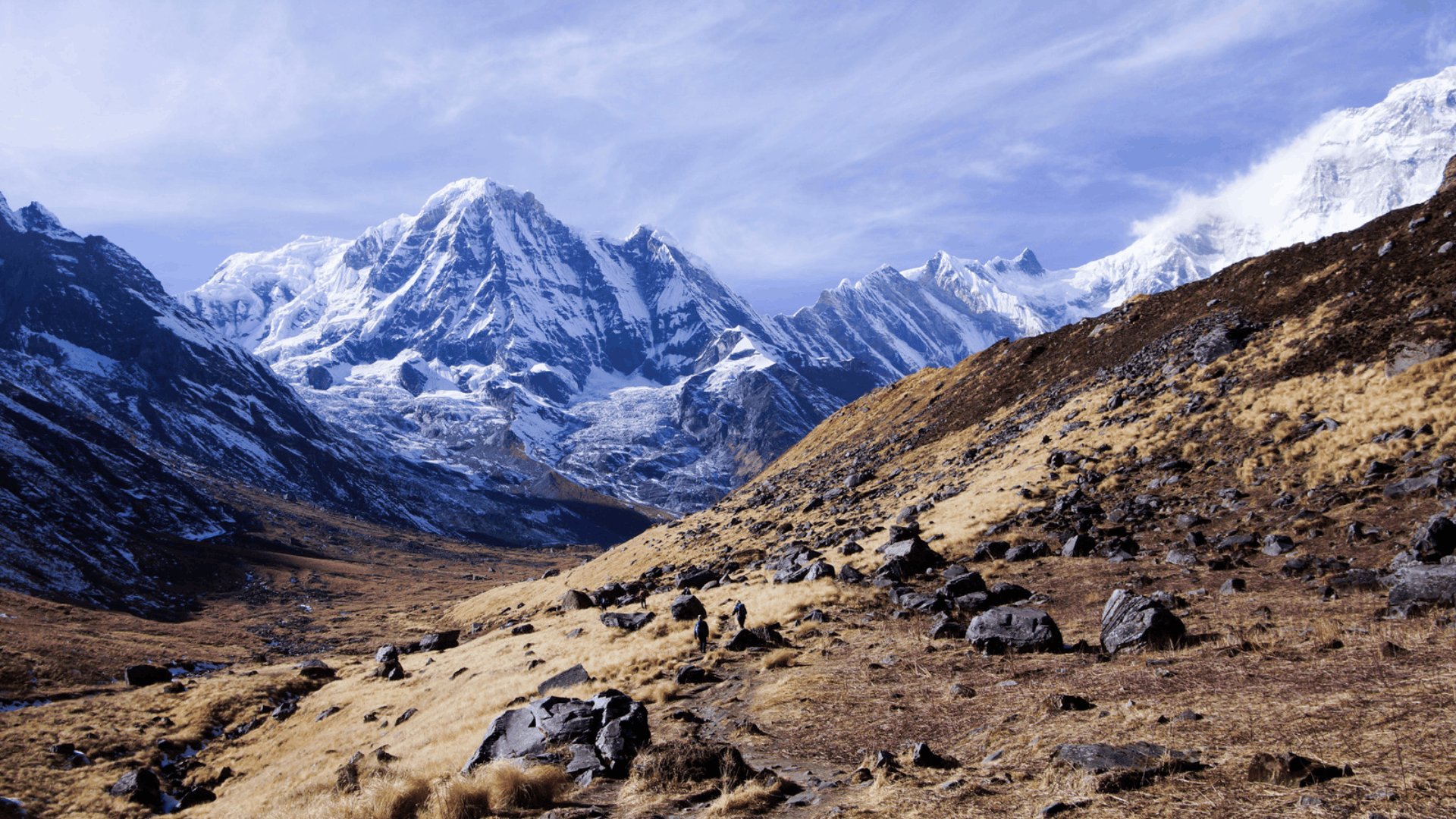
Best Treks in Nepal for Beginners: 7 Routes to Explore
Have you ever dreamed of walking beneath the Himalayas but aren't sure where to begin? Nepal has some of the world's most stunning trekking routes, and you don't need to be an expert to enjoy them.
You can find beginner-friendly adventures in peaceful mountain villages, lush rhododendron forests, and at breathtaking Himalayan viewpoints.
If you're planning your first Himalayan adventure, want a shorter hiking holiday, or hope to see Nepal's mountain scenery without a tough expedition, there's a route that fits your interests and fitness. In this guide, we'll explore seven of the best treks in Nepal for beginners, including their approximate duration, difficulty levels, highlights, and what to consider before setting off.
Why Is Nepal a Great Destination for Beginner Trekkers?
Nepal has a wide range of trekking experiences. You can spend a few days on trails near Pokhara or go deeper into the Himalayas for a longer trip through traditional mountain villages. A big advantage is the many different routes you can choose from. You don't need weeks of walking, special climbing skills, or high-altitude experience for every trek. Many easy treks follow well-marked trails through villages, forests, and mountains, so beginners can enjoy the Himalayas at a comfortable pace.
But beginner-friendly doesn't always mean easy. Even short treks can have steep climbs, rough paths, and big altitude changes. Pick a trek that matches your fitness, and give yourself time to adjust to the altitude for a safe, fun trip.
7 Best Treks in Nepal for Beginners
If you're not sure where to start, consider these seven routes for your first trek in Nepal.
1. Ghorepani Poon Hill Trek
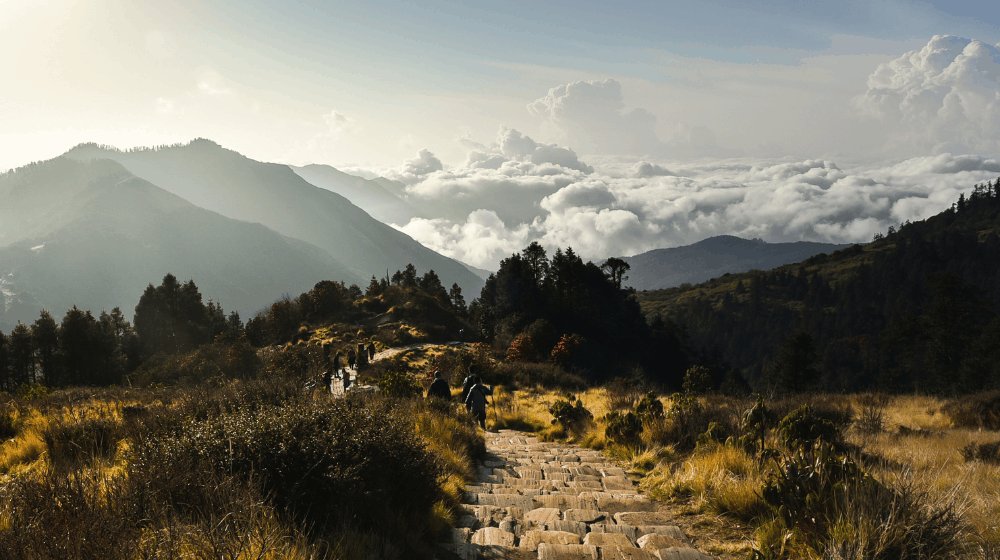
Duration: Approximately 4–5 days. Difficulty: Moderate. Maximum elevation: Approximately 3,210 meters.
The Ghorepani Poon Hill Trek is one of Nepal's most popular beginner treks. It's in the Annapurna region and offers amazing mountain views without a long expedition.
The trail goes through Gurung and Magar villages, terraced fields, and rhododendron forests. A highlight is reaching Poon Hill early to watch the sunrise light up the Annapurna and Dhaulagiri ranges.
This trek is a great way to try Himalayan trekking if you want a rewarding mountain trip in a short time. You don't need climbing skills, but be ready for lots of uphill walking and stone steps.
2. Australian Camp and Dhampus Trek
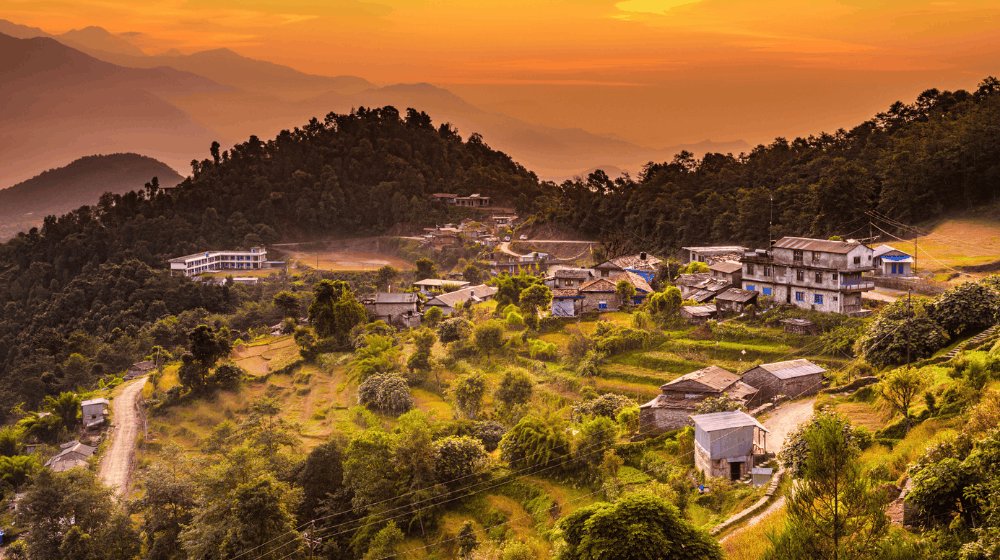
Duration: Approximately 2–3 days. Difficulty: Easy to moderate. Maximum elevation: Approximately 2,060 meters.
If you want a short trek in Nepal, the Australian Camp and Dhampus route is a great choice for travelers with limited time.
Located near Pokhara, this trek takes you through quiet villages, forest paths, and viewpoints overlooking the Annapurna range. Australian Camp is well known for its wide views of Machhapuchhre, Annapurna South, and other Himalayan peaks. It strongly appeals to first-time hikers who want to experience Nepal's mountain scenery without committing to a week-long expedition. The route still includes uphill sections, but it offers a more accessible introduction to trekking in the country.
3. Langtang Valley Trek
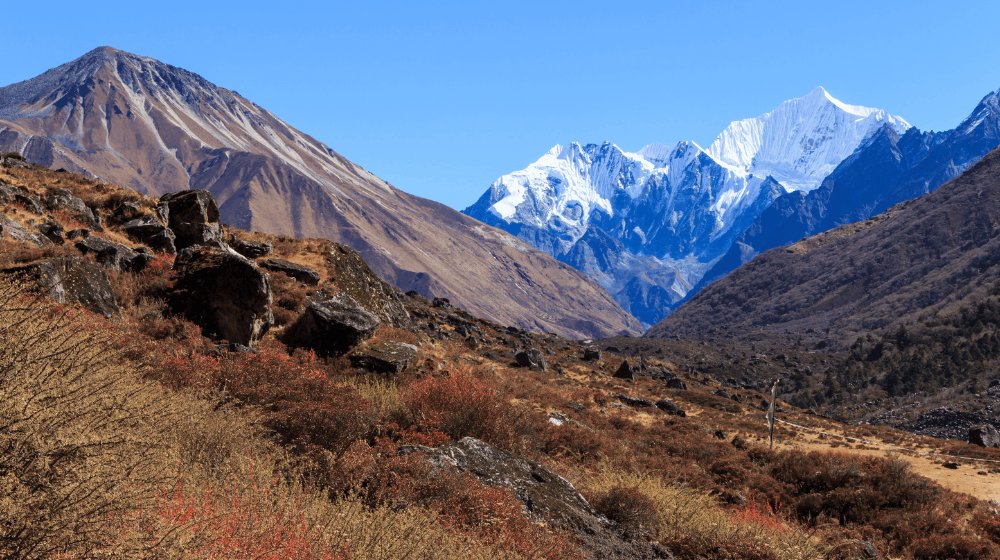
Duration: Approximately 7–9 days. Difficulty: Moderate. Maximum elevation: Approximately 3,870 meters at Kyanjin Gompa.
For a deeper Himalayan experience, the Langtang Valley Trek is a great option. This route passes through forests, traditional settlements, alpine landscapes, and spectacular mountain scenery. The journey leads towards Kyanjin Gompa, a beautiful mountain settlement surrounded by impressive Himalayan peaks.
Langtang is longer and harder than some shorter treks, but it's rewarding for beginners who are fairly fit and can walk for several days in a row. Because of the elevation, plan time to adjust to the altitude.
This trek is great for travelers who want to learn about Tamang culture while exploring a beautiful mountain valley in Nepal.
4. Mardi Himal Trek
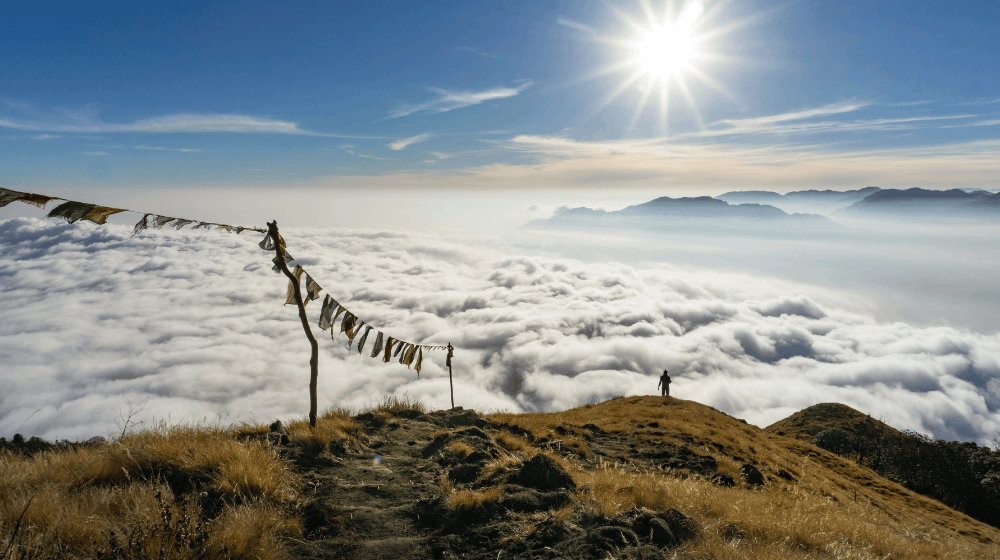
Duration: Approximately 5–7 days. Difficulty: Moderate to challenging. Maximum elevation: Approximately 4,500 meters at Mardi Himal Base Camp.
The Mardi Himal Trek is a great choice if you want dramatic Himalayan views and a more adventurous path.
This trail in the Annapurna region winds through thick forests before opening onto ridges with stunning views of Machhapuchhre, Annapurna South, and nearby peaks.
This trek is shorter than many big Himalayan trips, but that doesn't mean it's easy. Steep climbs, narrow ridges, and higher altitude make it tougher than some other beginner treks.
If you're a first-time trekker with good fitness, some preparation, and the right guidance, Mardi Himal can be a great way to try higher-altitude trekking.
5. Everest View Trek
Duration: Approximately 5–7 days. Difficulty: Moderate. Maximum elevation: Approximately 3,880 meters around Everest View Hotel.
Want to see the Everest region without doing the full Everest Base Camp Trek?
The Everest View Trek lets you explore the Khumbu region, visit Sherpa villages, and enjoy great views of some of the world's tallest mountains. Namche Bazaar, the lively Sherpa trading town, and viewpoints overlooking Mount Everest, Ama Dablam, and other Himalayan giants.
Although shorter than the full Everest Base Camp trip, you'll still climb to high altitudes. Take time to adjust to the altitude, especially if it's your first time trekking at high elevations.
6. Helambu Trek
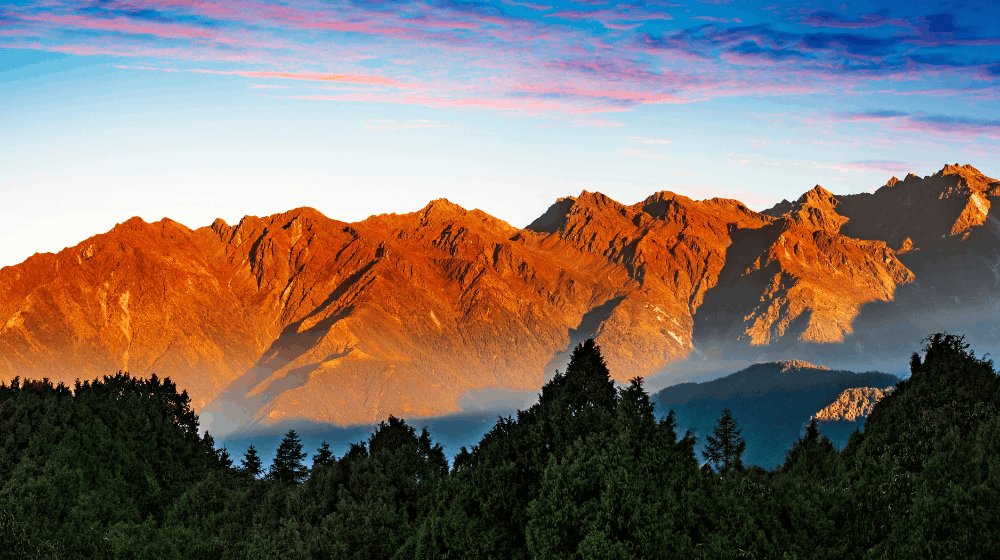
Duration: Approximately 5–7 days. Difficulty: Easy to moderate, depending on the itinerary. Maximum elevation: Approximately 3,600 meters on some itineraries.
If you prefer quieter trails and want to experience local culture, the Helambu Trek is a good choice. It passes through traditional villages, Buddhist monasteries, forests, and beautiful hillside landscapes.
Helambu is easier than some of Nepal's tougher high-altitude treks, depending on the route you pick. It's a good choice if you want to experience mountain culture without heading deep into the Everest or Annapurna regions.
With its mix of culture and mountain trails, Helambu is a nice alternative if you want something different from Nepal's most popular treks.
7. Pikey Peak Trek
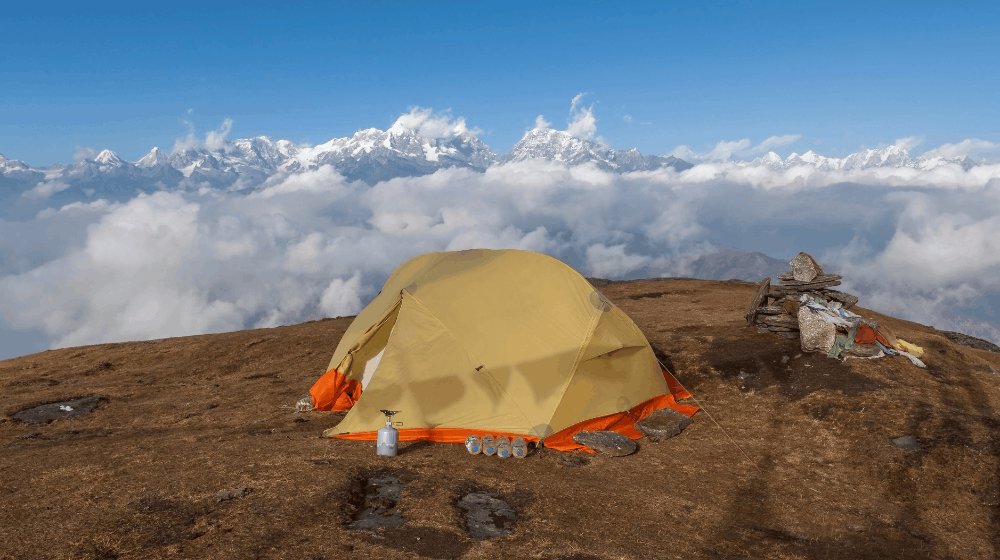
Duration: Approximately 5–7 days. Difficulty: Moderate. Maximum elevation: Approximately 4,065 meters.
If you want something a bit different, the Pikey Peak Trek gives you amazing Himalayan views away from Nepal's busier trails.
Pikey Peak is in the lower Everest region and has wide views of the Himalayas, including Mount Everest on clear days.
The trek goes through Sherpa villages, Buddhist monasteries, and quiet mountain paths. You'll experience local culture and enjoy great views of nearby peaks.
This trek is fairly short, but the altitude and uphill sections mean you need to be reasonably fit and prepared. It's a good choice for active beginners who want a quieter Himalayan trip.
Comparing the Best Beginner-Friendly Treks in Nepal
The best route depends on your time, fitness, and experience level.
If you only have a few days, Australian Camp and Dhampus are good short treks. Ghorepani Poon Hill is popular for amazing sunrise views and a classic Himalayan trekking experience.
If you want a longer trek, Langtang Valley lets you explore mountain villages and alpine scenery. Mardi Himal and Pikey Peak are more challenging and good for fit beginners who want to go higher into the mountains.
The Everest View Trek is great if you want to visit the famous Khumbu region. Helambu gives you both cultural experiences and quieter trails. Instead of picking a trek just because it's popular, consider how comfortable you are with walking several days in a row, climbing uphill, and handling higher elevations.
When Is the Best Time for First-Time Trekking in Nepal?
Picking the right season can really affect your trekking experience. Nepal's main trekking seasons are spring and autumn, but you can also do some lower-altitude treks at other times of the year.
Spring, from March to May, is a great time to trek in Nepal. The weather gets warmer, rhododendron forests bloom, and the mountains look especially colorful. It's a good season for Poon Hill, Mardi Himal, and other Annapurna treks.
Autumn, from September to November, is one of the best times to trek in Nepal. After the monsoon, skies clear, visibility improves, and mountain views are amazing. October and November are especially popular for trekking. Winter, from December to February, is good for trekking on lower-altitude routes, but it gets much colder higher up. Snow and weather can affect the trails. Beginners might want to try lower-altitude treks near Pokhara during the winter season.
Monsoon, from June to August, brings heavy rainfall to much of Nepal. Monsoon season, from June to August, brings heavy rain to most of Nepal. Trails can get muddy; landslides and leeches are possible, and mountain views aren't as clear. Some places like Upper Mustang are drier, but you still need to plan carefully. Preparation is important. Walking through the Himalayas is different from taking a casual hike, particularly when altitude and consecutive days of walking are involved.
How to Prepare for Your First Trek in Nepal
Start by building your walking endurance with regular exercise. Try walking longer distances and adding uphill walks or stairs to prepare your legs for climbing. Activities like cycling, swimming, and jogging can also help your stamina. The route is equally important. Consider your fitness level, available time, preferred difficulty, and previous hiking experience. A shorter trek isn't necessarily easier, especially if it involves steep ascents or high-altitude terrain.
Packing appropriate clothing and equipment. Bringing the right clothes and gear will make your trek more comfortable. Wear good trekking boots, moisture-wicking clothes, warm layers, a waterproof jacket, a daypack, and other essentials for the season and altitude.
Finally, consider arranging your trek with a reputable Provider. Book with a trusted local Provider and an experienced guide. A Provider can help with directions, share local culture, handle logistics, and deal with changing trail conditions.
Frequently Asked Questions About Trekking in Nepal for Beginners
What is the easiest trek in Nepal for beginners?
The Australian Camp and Dhampus Trek. The Australian Camp and Dhampus Trek is one of the easiest short treks, with lower elevation than most big Himalayan routes. Poon Hill is also popular for beginners, but it has a lot of uphill walking and stone steps. The best choice depends on your fitness and hiking experience.
Can beginners trek in the Himalayas?
Yes, beginners can trek in the Himalayas if they choose the right route, build fitness, and take time to adjust to the altitude. You don't need mountaineering skills for most trekking routes, but some high-altitude treks need good fitness and preparation.
How many days do you need for a beginner trek in Nepal?
You can enjoy shorter treks in about two to five days. Longer treks like Langtang Valley usually need seven to nine days or more, depending on your plan, travel, and time to adjust to the altitude.
Do you need to be physically fit to trek in Nepal?
You don't need to be an elite athlete, but a reasonable level of fitness is important. You don't have to be an athlete, but you should be fairly fit. Regular walking, cardio exercise, and leg workouts will help you get ready for rough trails, uphill climbs, and several days of hiking.
Find Your Next Himalayan Adventure with ActionTrails
Your first trek in Nepal might inspire a lifelong love for the mountains. Whether you're exploring traditional Himalayan villages or discovering the spectacular landscapes of the Everest region, Nepal has an adventure waiting for you.
You don't have to start with the hardest trek. Pick a route that fits your experience, get ready for the trip, and enjoy every step.
Discover trekking experiences and adventure activities on ActionTrails.com and start planning your next adventure.