
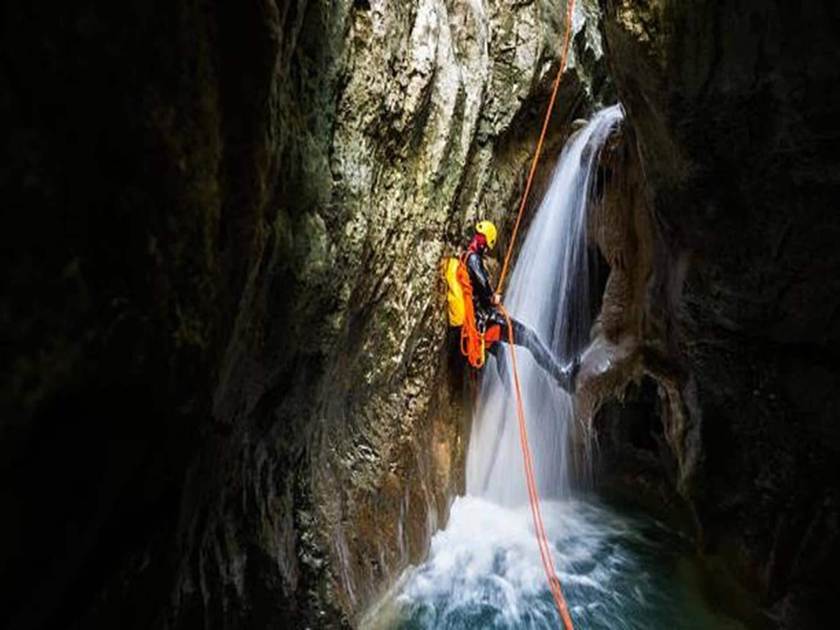
Europe’s Premier Canyoning Destinations: 5 Hidden Aquatic Adventures
Europe’s diverse landscapes offer some of the world’s most spectacular canyoning experiences, from the limestone gorges of Spain to the granite pools of Corsica. Canyoning, also known as canyoneering, combines hiking, climbing, swimming, and rappelling as adventurers navigate through narrow gorges carved by millennia of water erosion. This comprehensive guide explores five exceptional canyoning destinations across Europe, each offering unique geological features, crystal-clear waters, and unforgettable aquatic adventures.
1. Sierra de Guara, Spain - The Birthplace of European Canyoning
Located in the Aragon region of northeastern Spain, the Sierra de Guara Natural Park stands as the undisputed birthplace and capital of European canyoning. This limestone massif, situated near the city of Huesca, features over 70 documented canyons that have been carved through millions of years by crystal-clear mountain streams flowing from the Pyrenees.
Sierra de Guara Canyoning
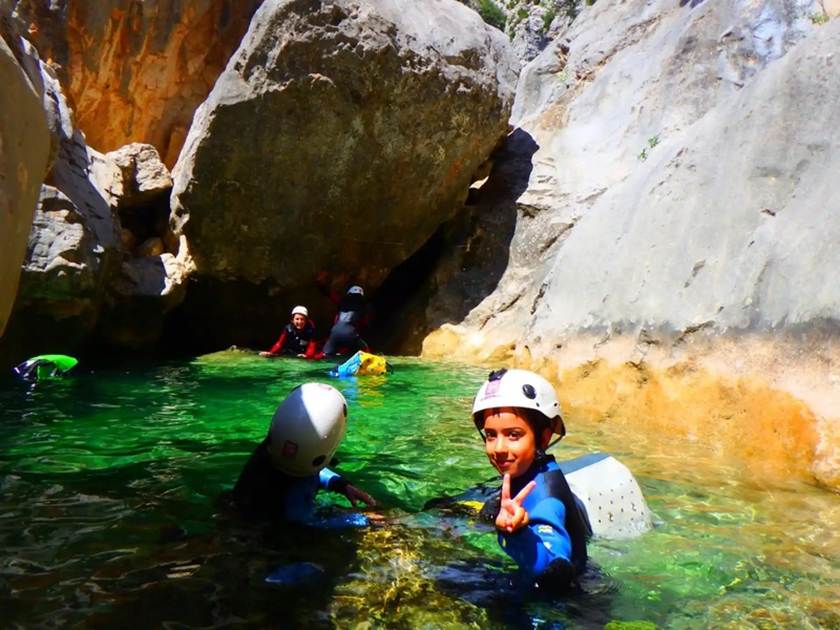
The Sierra de Guara’s reputation as Europe’s premier canyoning destination stems from its exceptional diversity of routes suitable for all skill levels. The region’s limestone geology creates perfect conditions for canyoning, with smooth rock formations, natural water slides, and deep emerald pools that remain refreshingly cool even during Spain’s hot summers. The most famous canyons include Rio Vero, known for its spectacular 30-meter waterfalls and technical rappels, and Peonera Canyon, celebrated for its aquatic nature and smooth limestone chutes.
What sets Sierra de Guara apart is the sheer variety of experiences available within a relatively small area. Beginners can start with gentle canyons like Formiga, featuring easy walking sections and small jumps, while experienced canyoneers can tackle challenging routes like Mascun, which requires advanced technical skills and offers dramatic 40-meter rappels through narrow slot canyons. The region’s Mediterranean climate provides an extended season from April through October, with the best conditions typically found in late spring and early autumn when water levels are optimal.
The town of Rodellar serves as the primary base for canyoning activities, offering specialized equipment rental, certified guides, and accommodations ranging from camping to rural hotels. The local infrastructure has developed specifically to support adventure tourism while maintaining the area’s natural character and environmental integrity.
2. Verdon Gorge, France - Europe’s Grand Canyon
The Gorges du Verdon in southeastern France represents one of Europe’s most dramatic natural landscapes, often referred to as Europe’s Grand Canyon. This massive limestone canyon stretches 25 kilometers through the Provence-Alpes-Côte d’Azur region, reaching depths of up to 700 meters and creating some of the continent’s most spectacular canyoning opportunities.
Verdon Gorge Canyoning
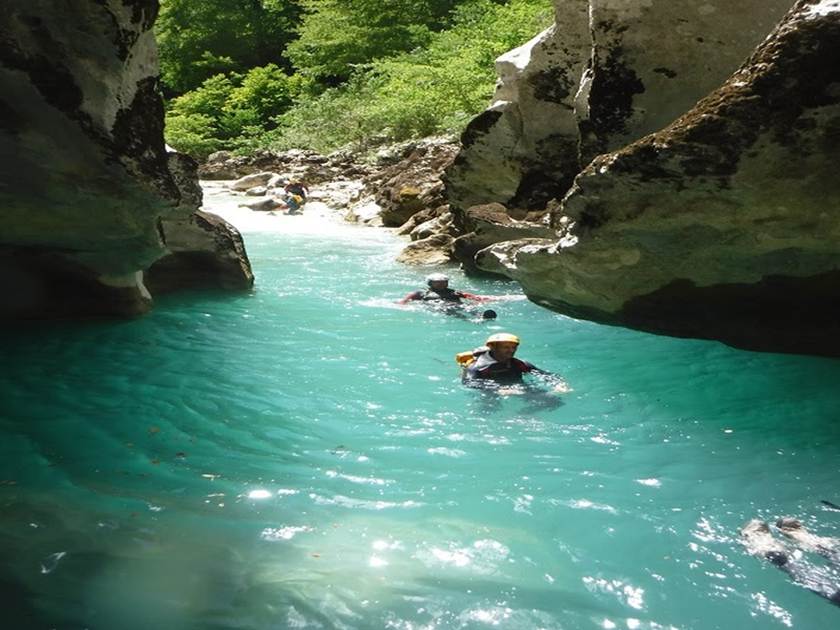
The Verdon River’s distinctive turquoise waters flow through towering limestone cliffs that have been carved over millions of years, creating a series of narrow gorges, deep pools, and dramatic waterfalls perfect for canyoning adventures. The canyon’s unique geology features Jurassic limestone formations that provide excellent grip for climbing and rappelling, while the river’s consistent flow ensures year-round canyoning opportunities.
Several canyoning routes traverse different sections of the Verdon Gorge, each offering distinct challenges and scenic rewards. The classic Verdon Canyon descent begins near the village of Castellane and follows the river through a series of technical rappels, including the famous 180-meter Styx rappel, one of Europe’s longest single-pitch canyon descents. The route requires advanced technical skills and typically takes a full day to complete, but rewards adventurers with unparalleled views of the canyon’s towering walls and pristine aquatic environment.
For those seeking less technical options, the Verdon region offers numerous tributary canyons that provide excellent introduction to the sport. The Artuby Canyon, located near the main gorge, features a series of beautiful waterfalls and pools accessible to intermediate canyoneers, while maintaining the region’s characteristic limestone beauty and crystal-clear waters.
The nearby towns of Castellane and Moustiers-Sainte-Marie serve as primary access points, offering equipment rental, guide services, and accommodations. The region’s well-developed tourism infrastructure ensures that canyoning adventures can be combined with other outdoor activities like rock climbing, hiking, and kayaking, making it an ideal destination for multi-sport adventure holidays.
3. Bavella, Corsica - Granite Paradise in the Mediterranean
The Aiguilles de Bavella region in southern Corsica offers some of Europe’s most visually stunning canyoning experiences, set against a backdrop of dramatic granite spires and pristine Mediterranean wilderness. Located in the heart of Corsica’s mountainous interior, this area combines the island’s unique granite geology with abundant water sources to create canyoning routes of exceptional beauty and technical interest.
Bavella Corsica Canyoning
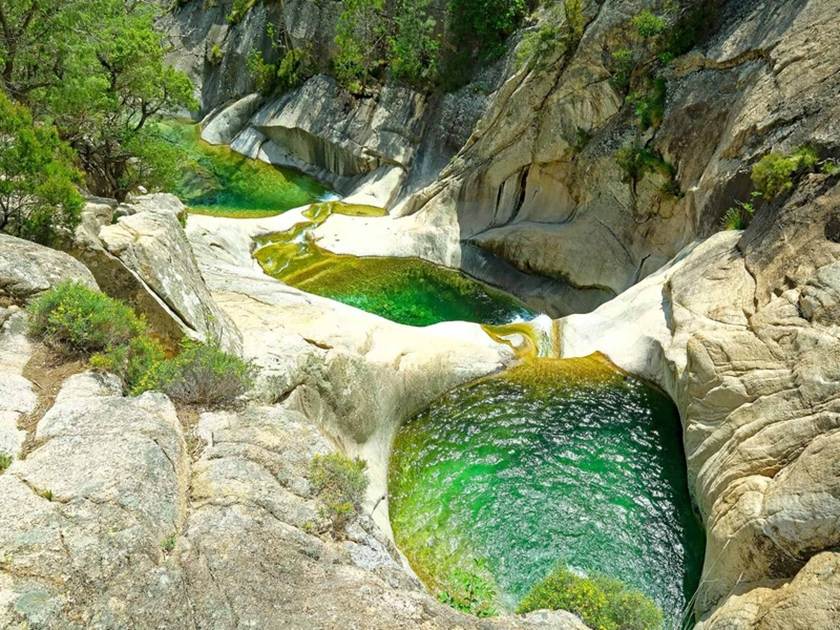
Corsica’s granite formations, sculpted by millions of years of erosion, create distinctively smooth rock surfaces and perfectly carved pools that are ideal for canyoning. The island’s position in the Mediterranean ensures a reliable water supply from mountain streams, while the granite’s resistance to erosion has preserved intricate rock formations including natural slides, deep pools, and spectacular waterfalls.
The crown jewel of Bavella canyoning is the Purcaraccia Canyon, widely considered one of the most beautiful canyons in Europe. This route features a series of natural granite slides ranging from 2 to 15 meters in length, crystal-clear pools perfect for swimming, and two magnificent waterfalls exceeding 40 meters in height that require technical rappelling skills. The canyon’s granite walls display a stunning array of colors, from deep red to golden yellow, creating a visual spectacle that complements the technical challenges.
Another notable route is the Vacca Canyon, which offers a more technical experience with narrow slot sections, challenging rappels, and spectacular granite formations. The canyon requires good swimming skills and comfort with technical rope work, but rewards adventurers with some of Corsica’s most pristine aquatic environments and dramatic geological features.
The village of Zonza serves as the primary base for Bavella canyoning activities, providing access to equipment rental, certified guides, and accommodations. The region’s Mediterranean climate allows for an extended canyoning season from May through October, with the warmest and most comfortable conditions typically found during the summer months when the granite pools provide refreshing relief from the Mediterranean heat.
4. Swiss Alps - Alpine Canyoning Excellence
The Swiss Alps offer some of Europe’s most spectacular high-altitude canyoning experiences, combining pristine mountain environments with technical challenges that showcase the region’s dramatic Alpine geology. The cantons of Ticino, Valais, and Bernese Oberland provide numerous canyoning opportunities set against backdrops of snow-capped peaks, glacial valleys, and pristine mountain streams.
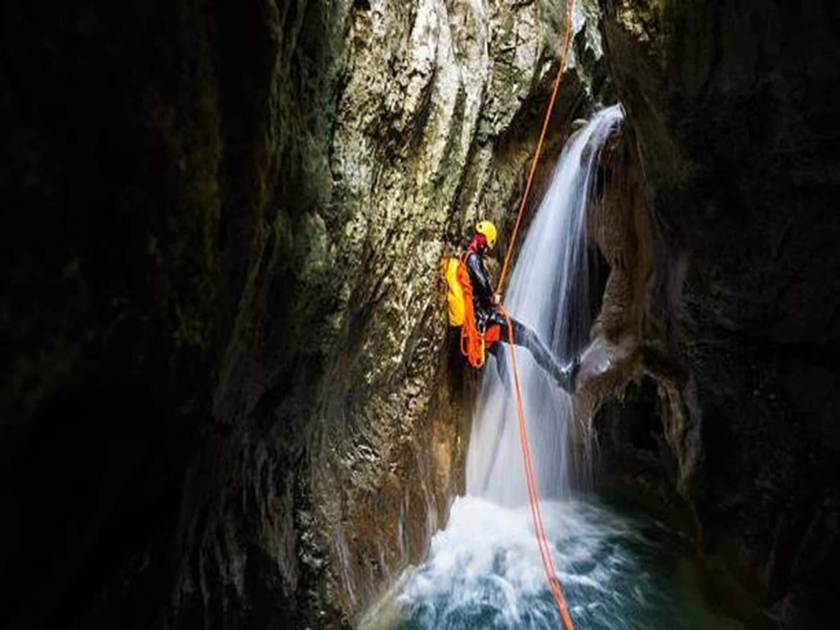
Swiss Alps Canyoning
Ticino, Switzerland’s Italian-speaking canton, has earned recognition as one of Europe’s premier canyoning destinations due to its unique combination of Alpine and Mediterranean influences. The region’s granite and gneiss geology, carved by glacial action and mountain streams, creates ideal conditions for canyoning with smooth rock surfaces, deep pools, and spectacular waterfalls. The area around Locarno and the Verzasca Valley offers numerous routes ranging from beginner-friendly descents to challenging technical canyons.
The famous Boggera Canyon in Ticino exemplifies Swiss Alpine canyoning at its finest, featuring a series of technical rappels through narrow granite gorges, natural pools carved into solid rock, and waterfalls that cascade from significant heights. The canyon requires advanced technical skills and proper equipment, but provides an unforgettable experience in one of Europe’s most pristine mountain environments.
In the Bernese Oberland, the area around Interlaken offers excellent canyoning opportunities with the added advantage of easy accessibility from major Swiss cities. The Chli Schliere Canyon provides a perfect introduction to Alpine canyoning, featuring moderate technical challenges, beautiful mountain scenery, and the convenience of professional guide services and equipment rental readily available in Interlaken.
The Grimsel region offers more advanced canyoning opportunities for experienced practitioners, with routes that traverse high-altitude granite formations and provide spectacular views of glacial peaks and Alpine valleys. These canyons typically require good physical fitness and advanced technical skills, but reward adventurers with some of Europe’s most pristine and dramatic mountain environments.
Swiss canyoning benefits from the country’s excellent infrastructure and safety standards, with certified guide services, high-quality equipment rental, and well-maintained access routes. The Alpine environment requires careful attention to weather conditions and seasonal variations, with the best canyoning conditions typically found from June through September when snowmelt provides optimal water levels and temperatures are most comfortable.
5. Austrian Alps - Tyrolean Canyon Adventures
The Austrian Alps, particularly in the regions of Tyrol and Salzburg, offer exceptional canyoning experiences that combine dramatic Alpine scenery with diverse geological formations and pristine mountain waters. Austria’s canyoning destinations showcase the country’s varied landscape, from limestone gorges in the eastern Alps to granite formations in the central ranges, providing adventures suitable for all skill levels.
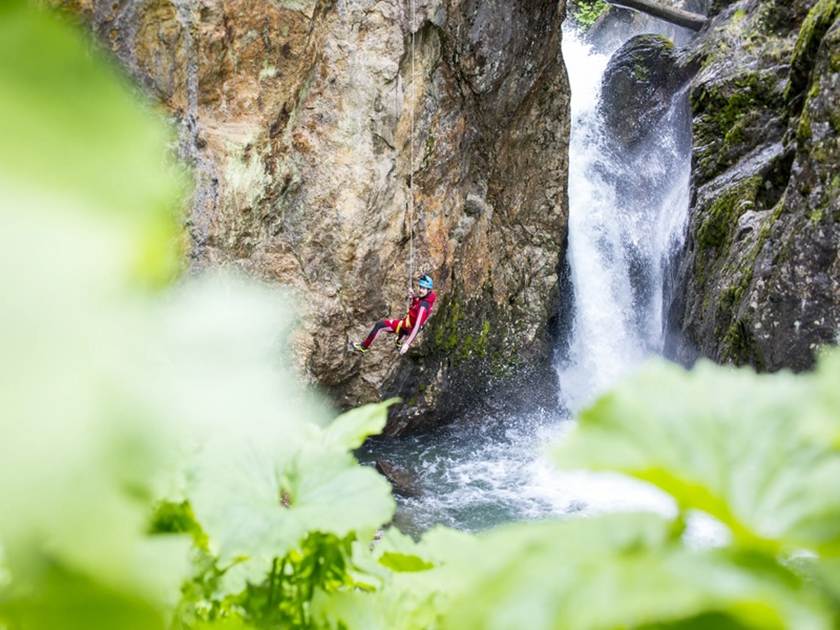
Austrian Alps Canyoning
The Ötztal region in Tyrol stands out as Austria’s premier canyoning destination, featuring numerous routes that take advantage of the valley’s dramatic topography and abundant water sources. The Alpenrosenklamm Canyon serves as an excellent introduction to Austrian canyoning, offering moderate technical challenges including rappels, natural slides, and swimming sections through crystal-clear mountain pools. The canyon’s accessibility from the resort town of Sölden makes it popular with both beginners and experienced canyoneers seeking a high-quality Alpine experience.
For more advanced practitioners, the Stuibenfall Canyon in the Ötztal provides technical challenges including multi-pitch rappels and narrow slot sections that require advanced rope skills and comfort in confined spaces. The canyon’s dramatic setting, with views of glacial peaks and Alpine meadows, exemplifies the spectacular scenery that characterizes Austrian canyoning.
The Salzburg region offers different geological experiences, with limestone formations creating unique canyoning opportunities in areas like the Salzach Valley and the Berchtesgaden Alps. The Strubklamm Canyon near Salzburg features dramatic limestone gorges, technical rappels, and pristine mountain pools, while providing easy access from Austria’s cultural capital.
The Almbach Gorge, located near Berchtesgaden, offers one of Austria’s most scenic canyoning experiences, combining moderate technical challenges with spectacular Alpine scenery. The canyon features a series of waterfalls, natural pools, and limestone formations that have been carved by centuries of water erosion, creating a route that showcases the beauty of the Austrian Alps while providing an excellent introduction to Alpine canyoning.
Austrian canyoning benefits from the country’s well-developed outdoor recreation infrastructure, with certified guide services, equipment rental facilities, and safety standards that meet the highest international requirements. The Alpine environment requires careful attention to weather conditions and seasonal variations, with optimal canyoning conditions typically found from May through September when snowmelt provides adequate water levels and temperatures are most comfortable for extended water activities.
Planning Your European Canyoning Adventure
| Destination | Best Season | Difficulty Range | Water Temperature | Unique Features |
| Sierra de Guara, Spain | April-October | Beginner to Expert | 12-18°C | Limestone slides, 70+ canyons |
| Verdon Gorge, France | May-September | Intermediate to Expert | 10-16°C | 180m rappels, turquoise waters |
| Bavella, Corsica | May-October | Intermediate to Advanced | 14-20°C | Granite pools, Mediterranean setting |
| Swiss Alps | June-September | Beginner to Expert | 8-14°C | Alpine scenery, pristine environment |
| Austrian Alps | May-September | Beginner to Advanced | 8-14°C | Limestone gorges, cultural access |
Each of these European canyoning destinations offers unique experiences that showcase the continent’s diverse geology, pristine natural environments, and rich outdoor recreation traditions. Whether seeking technical challenges in the granite gorges of Corsica, aquatic adventures in Spain’s limestone canyons, or Alpine experiences in Switzerland and Austria, Europe’s canyoning destinations provide unforgettable adventures for practitioners of all skill levels.
The key to successful canyoning lies in proper preparation, appropriate equipment, and respect for the natural environment. All of these destinations offer certified guide services and equipment rental facilities, making them accessible to international visitors while maintaining the highest safety standards. As canyoning continues to grow in popularity, these European destinations remain at the forefront of the sport, offering experiences that combine technical challenge, natural beauty, and cultural richness in ways found nowhere else in the world.