
Soaring Above the Middle East: Top 5 Paragliding Destinations
The Middle East, with its diverse landscapes ranging from Mediterranean coastlines to towering mountain ranges and unique geological formations, offers some of the world’s most spectacular paragliding experiences. From the crystal-clear waters of Turkey’s Blue Lagoon to the lowest point on Earth at the Dead Sea, these five destinations provide paragliding enthusiasts with unforgettable aerial adventures that combine natural beauty, cultural richness, and exceptional flying conditions.
1. Ölüdeniz, Turkey - The Blue Lagoon Paradise
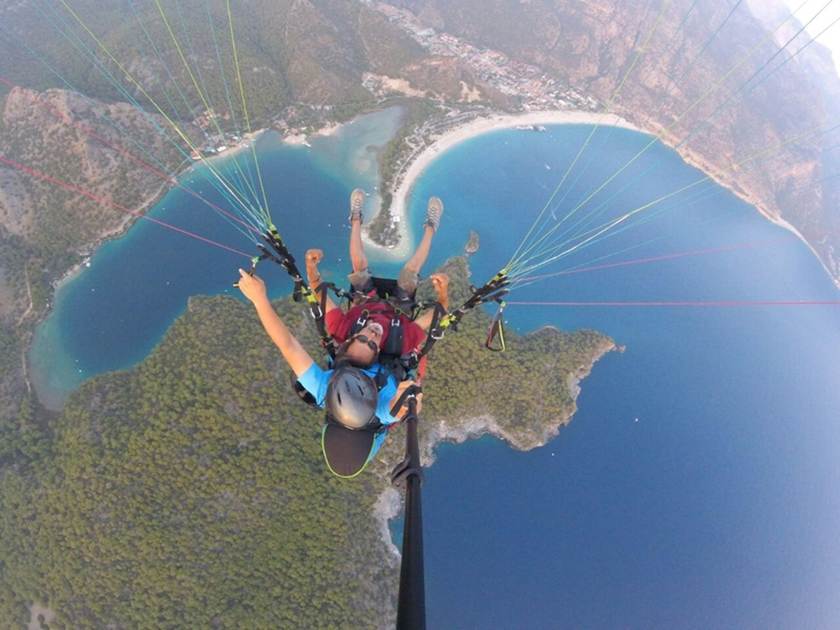
Ölüdeniz Paragliding
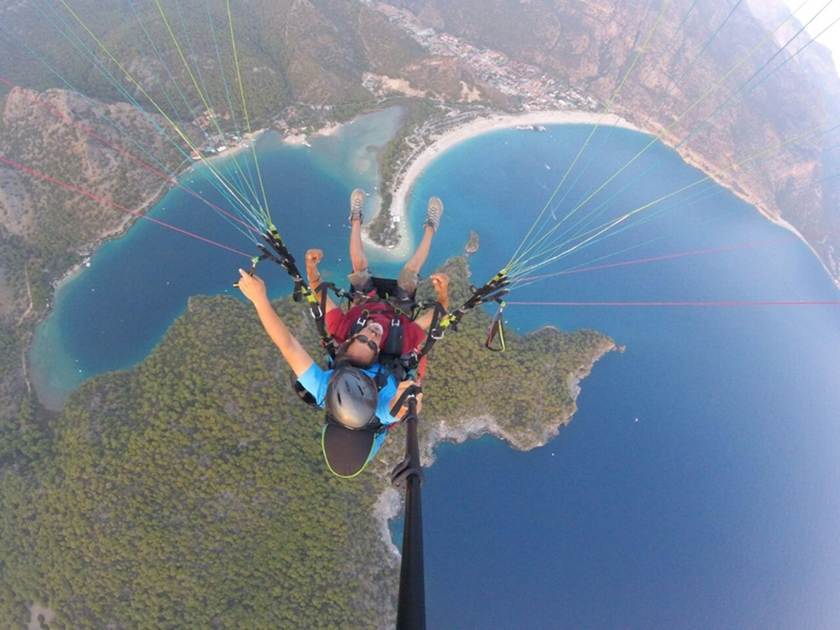
Ölüdeniz, located on Turkey’s stunning Turquoise Coast, stands as one of the world’s premier paragliding destinations. The launch site at Mount Babadag, rising 1,969 meters above sea level, offers paragliders an extraordinary flight experience over the famous Blue Lagoon and the Mediterranean coastline.
Flight Conditions: The thermal conditions at Ölüdeniz are exceptional year-round, with consistent sea breezes creating ideal lift conditions. Pilots can expect flight times ranging from 25-45 minutes, with experienced pilots often achieving flights of over an hour. The stable weather patterns and reliable wind conditions make this destination suitable for both beginners and advanced pilots.
Best Season: While flying is possible throughout the year, the optimal conditions occur from April to October when thermal activity is strongest and weather conditions are most stable. Summer months offer the most consistent flying conditions with daily thermal cycles.
Unique Features: The contrast between the turquoise waters of the lagoon, the white sandy beaches, and the dramatic mountain backdrop creates one of the most photographed paragliding scenes in the world. The landing area on Belcekiz Beach provides a safe and spacious touchdown zone directly on the sand.
2. Jounieh Bay, Lebanon - Mediterranean Mountain Flying
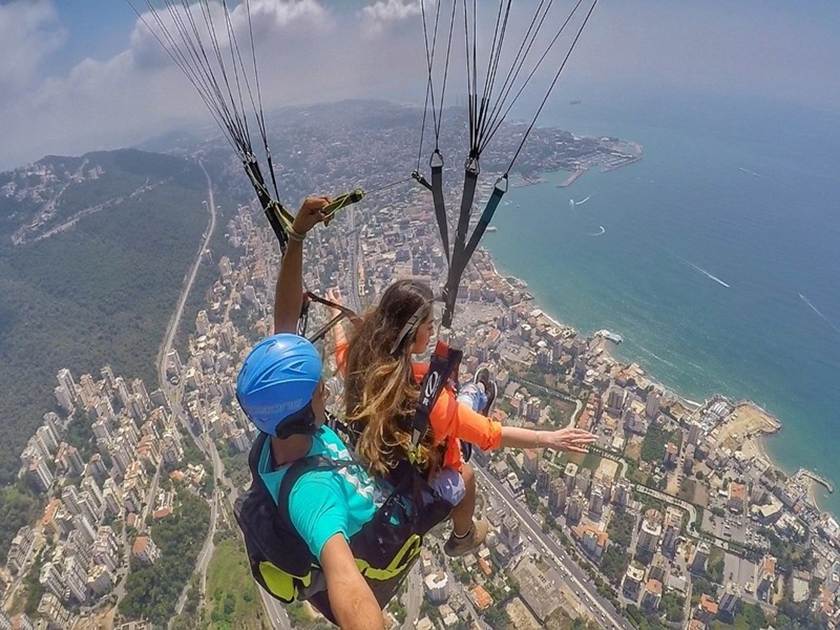
Jounieh Lebanon Paragliding
Perched above the picturesque Jounieh Bay, the paragliding site at Harissa offers pilots breathtaking views of the Lebanese coastline and the iconic Our Lady of Lebanon statue. The launch site, situated at 750 meters above sea level, provides an ideal platform for coastal flying with spectacular Mediterranean vistas.
Flight Conditions: The site benefits from reliable sea breeze conditions, particularly during afternoon hours when thermal activity combines with coastal winds. Flight durations typically range from 15-25 minutes, with experienced pilots able to extend flights by working the ridge lift along the coastal mountains.
Best Season: The prime flying season extends from March through November, with spring and autumn offering the most comfortable conditions. Summer flights provide excellent thermal activity, while winter flying is possible but requires careful weather assessment.
Cultural Significance: Flying near the Harissa shrine adds a unique spiritual dimension to the experience, as pilots soar alongside one of Lebanon’s most important religious landmarks. The flight path offers unparalleled views of Beirut’s skyline and the historic Jounieh Bay.
Safety Considerations: The site requires careful attention to wind direction and strength, as the coastal location can produce variable conditions. Professional tandem operators ensure safe flights with experienced pilots familiar with local weather patterns.
3. Mount Carmel, Israel - Historical Heights
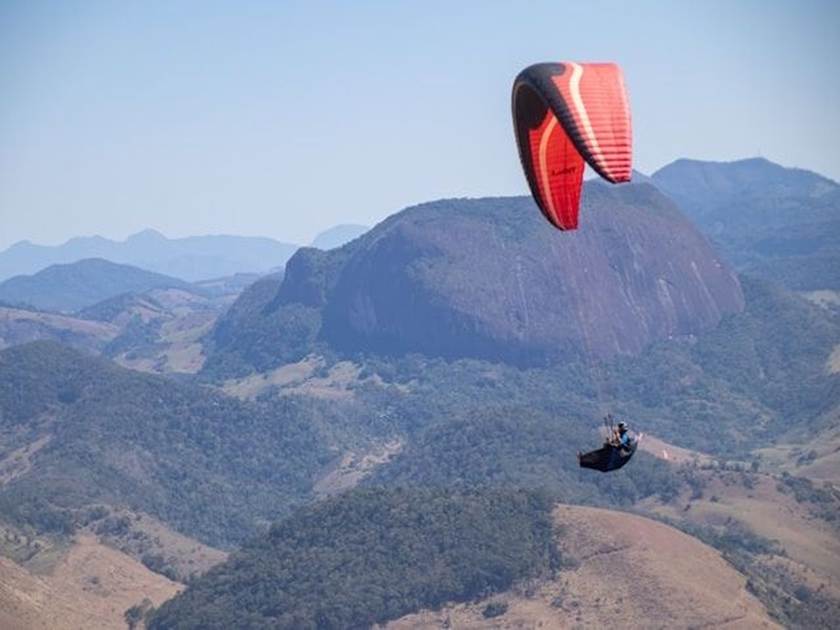
Mount Carmel Israel Paragliding
Mount Carmel, rising majestically above the Mediterranean coast near Haifa, offers paragliders a unique combination of historical significance and exceptional flying conditions. The mountain’s strategic location provides consistent thermal and ridge lift opportunities while offering panoramic views of the Jezreel Valley and Mediterranean Sea.
Flight Conditions: The site features a 1-kilometer-long slope facing the Mediterranean, creating excellent ridge lift conditions when sea breezes are active. Thermal activity is particularly strong during spring and autumn months, with pilots regularly achieving extended flights along the coastal ridge.
Best Season: Spring (March-May) and autumn (September-November) provide optimal conditions with moderate temperatures and reliable thermal activity. Summer flying is possible but requires early morning or late afternoon timing to avoid excessive heat.
Scenic Highlights: Pilots enjoy spectacular views over Haifa Bay, the ancient port city of Acre, and the fertile Jezreel Valley. The flight path often includes views of significant biblical and historical sites, adding cultural depth to the aerial experience.
Technical Aspects: The site is considered moderately challenging due to variable wind conditions and the need for precise landing approaches. The Mediterranean influence creates dynamic weather patterns that require experienced judgment and local knowledge.
4. Alborz Mountains, Iran - High-Altitude Adventure
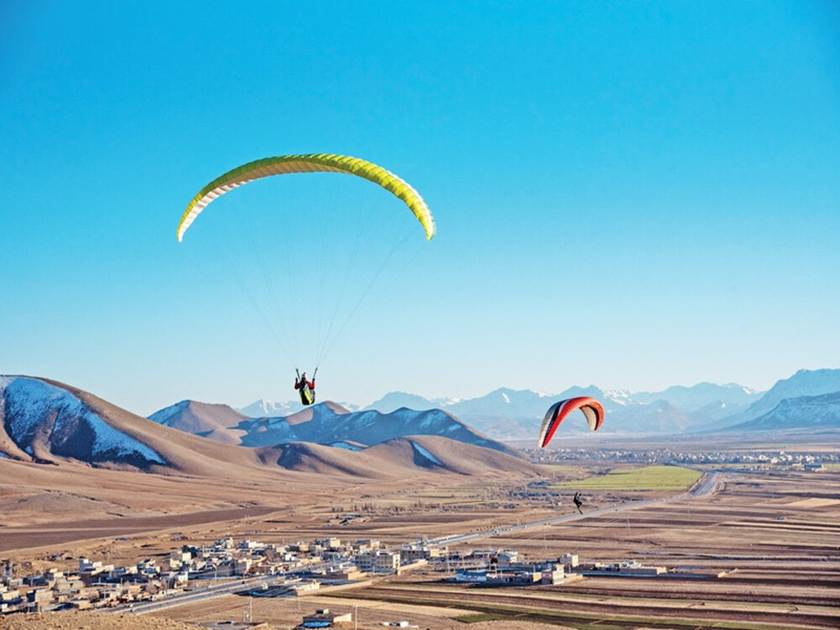
Alborz Mountains Iran Paragliding
The Alborz Mountain range, stretching across northern Iran, provides paragliding enthusiasts with high-altitude flying opportunities and stunning mountain vistas. Sites near Tehran, including the popular Tochal area, offer access to some of the Middle East’s most dramatic mountain flying conditions.
Flight Conditions: The high-altitude environment creates powerful thermal conditions during suitable weather windows. Pilots can experience significant altitude gains and extended flight times when conditions align properly. The mountain environment requires advanced piloting skills and careful weather assessment.
Best Season: The optimal flying season runs from late spring through early autumn (May-September), when snow has cleared from launch sites and thermal activity is most reliable. Weather windows can be limited, making timing crucial for successful flights.
Altitude Advantages: Launch sites at elevations exceeding 2,000 meters provide exceptional thermal potential and panoramic views of the Tehran metropolitan area and surrounding peaks. The high-altitude environment offers unique flying characteristics not found at coastal sites.
Cultural Context: Flying in Iran provides insights into the country’s diverse landscapes and rich cultural heritage. The contrast between urban Tehran and the pristine mountain environment creates a unique perspective on this historically significant region.
5. Dead Sea Region, Jordan - Lowest Point Flying
Dead Sea Jordan Paragliding
The Dead Sea region offers paragliders the extraordinary opportunity to fly at the lowest point on Earth, 427 meters below sea level. This unique geographical feature creates distinctive atmospheric conditions and provides pilots with an unparalleled flying experience in one of the world’s most remarkable natural environments.
Flight Conditions: The extreme low altitude creates unique atmospheric pressure conditions that affect glider performance and pilot physiology. Thermal activity can be intense due to the desert environment and high salt content of the surrounding landscape. Flight planning requires special consideration of the unusual altitude and atmospheric conditions.
Best Season: Winter months (November-March) provide the most comfortable flying conditions, as summer temperatures can become extreme. Spring offers excellent thermal activity with more moderate temperatures, making it ideal for extended flights.
Geological Wonder: The unique landscape features dramatic salt formations, desert cliffs, and the distinctive blue-green waters of the Dead Sea. Pilots experience flying over one of Earth’s most geologically significant locations while enjoying views of both Jordanian and Israeli territories.
Special Considerations: The extreme environment requires careful preparation, including adequate hydration and sun protection. The high salt content in the air can affect equipment, necessitating thorough post-flight cleaning and maintenance.
Planning Your Middle Eastern Paragliding Adventure
| Destination | Best Season | Flight Duration | Difficulty Level | Unique Features |
| Ölüdeniz, Turkey | April-October | 25-45 minutes | Beginner-Advanced | Blue Lagoon views, beach landing |
| Jounieh, Lebanon | March-November | 15-25 minutes | Intermediate | Cultural landmarks, coastal flying |
| Mount Carmel, Israel | March-May, Sept-Nov | 20-40 minutes | Intermediate-Advanced | Historical significance, ridge lift |
| Alborz Mountains, Iran | May-September | 30-60 minutes | Advanced | High-altitude flying, mountain thermals |
| Dead Sea, Jordan | November-March | 20-35 minutes | Intermediate-Advanced | Lowest point on Earth, unique conditions |
Essential Considerations
Equipment Requirements: All sites require standard paragliding equipment with additional considerations for specific environments. Coastal sites may require salt-resistant gear, while mountain locations need equipment rated for higher altitudes and variable conditions.
Safety Protocols: Each destination has unique safety considerations, from coastal wind patterns to high-altitude effects. Professional instruction and local guidance are strongly recommended, particularly for international visitors unfamiliar with regional conditions.
Cultural Sensitivity: Paragliding in the Middle East offers opportunities to experience diverse cultures and historical sites. Respecting local customs, regulations, and environmental protection measures enhances the experience for all participants.
Weather Awareness: Middle Eastern weather patterns can change rapidly, particularly in mountainous and coastal areas. Comprehensive weather briefings and conservative decision-making are essential for safe and enjoyable flights.
The Middle East’s paragliding destinations offer a remarkable combination of natural beauty, cultural richness, and diverse flying conditions. From the tourist-friendly beaches of Turkey to the remote mountain peaks of Iran, each location provides unique challenges and rewards for paragliding enthusiasts seeking extraordinary aerial adventures in one of the world’s most historically and geographically significant regions.