
The Best Adventure Travel Destinations: 10 Unforgettable Places to Explore in 2027
Every great adventure begins with a reason to explore. It might be the dream of standing beneath the world’s highest mountains, watching wildlife roam an African savannah, or hiking through a landscape shaped by glaciers and volcanoes.
Adventure travel offers something different from a traditional holiday. It takes you beyond familiar surroundings and introduces you to new landscapes, activities, and cultures. Sometimes it tests your physical limits. Other times, it simply gives you the opportunity to experience a place in a completely different way.
If you are planning your next adventure vacation in 2027, choosing the right destination is an important first step. From legendary trekking routes in Nepal to wildlife safaris in Africa and island adventures in Southeast Asia, the world offers countless opportunities to explore.
Here are ten of the best adventure travel destinations to consider for your next journey.
What Makes a Destination Great for Adventure Travel?
The best adventure travel destinations offer more than beautiful scenery. They provide opportunities to experience the outdoors through activities such as trekking, mountaineering, cycling, rafting, diving, wildlife watching, and exploring remote landscapes.
A great adventure destination also offers something distinctive. It could be a mountain range with a long cultural history, a rainforest filled with wildlife, a desert formed by thousands of years of natural processes, or a coastline known for its marine life.
However, adventure travel also requires preparation. Weather, physical fitness, accessibility, local rules, and safety arrangements can all affect your experience.
Choosing experienced local guides and reputable activity Providers is particularly important for challenging activities. Proper planning helps you enjoy the journey while demonstrating respect for the environment and communities that make each destination special.
1. Nepal and the Himalayas: A Paradise for Mountain Adventures
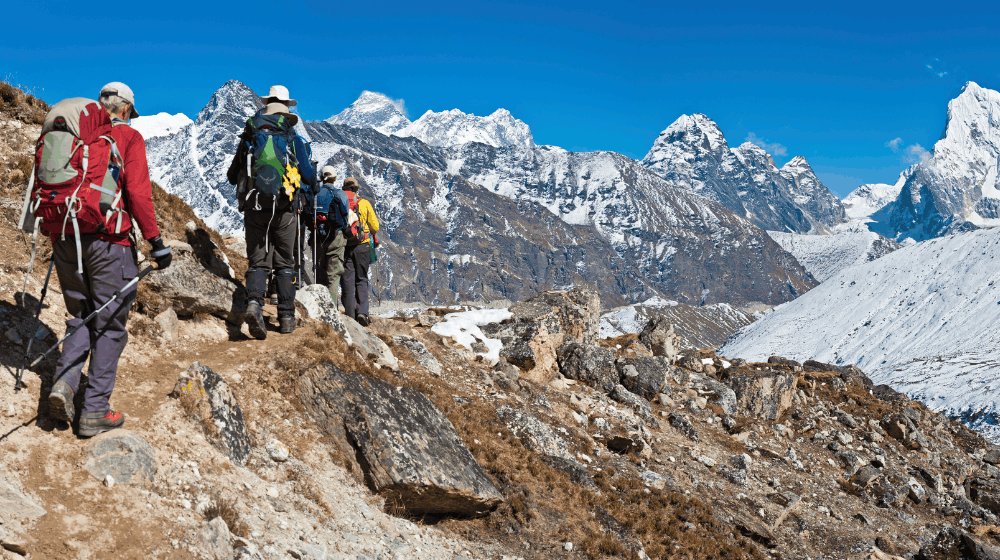
Nepal is one of the world’s most recognized adventure travel destinations, particularly for trekking and mountaineering. Home to Mount Everest and seven other mountains above 8,000 meters, the country attracts hikers, climbers, and outdoor enthusiasts from around the world.
But Nepal offers much more than spectacular mountain scenery. Its trekking routes pass through traditional villages, Buddhist monasteries, forests, and river valleys, providing opportunities to experience the country’s scenery and diverse cultures.
The main trekking seasons are generally spring (March to May) and autumn (September to November). Spring brings blooming rhododendrons to many mountain trails, while autumn often offers clearer skies following the monsoon.
Two of Nepal’s most famous trekking experiences are Everest Base Camp and Annapurna Base Camp.
Everest Base Camp: Trek to the Foot of the World’s Highest Mountain
The Everest Base Camp trek is one of the world's most recognizable high-altitude trekking routes.
The classic route usually begins with a flight to Lukla, followed by a trek through the Khumbu region. Along the way, trekkers pass through Phakding, Namche Bazaar, Tengboche, Dingboche, and Lobuche before reaching Everest Base Camp at approximately 5,364 meters.
The journey offers spectacular views of Himalayan peaks, including Ama Dablam, Lhotse and Nuptse. It also offers a chance to experience Sherpa culture, visit monasteries, and stay in traditional mountain teahouses.
Most standard itineraries take about 12 to 14 days, though the duration varies by route, acclimatization schedule, and starting point.
One important detail is that Mount Everest’s summit is not clearly visible from Base Camp itself. Many trekkers therefore climb Kala Patthar, at approximately 5,545 meters, for panoramic views of Everest and the surrounding mountains.
Although technical climbing skills are not normally required, this is a demanding high-altitude trek. Proper preparation and gradual acclimatization are essential. Travelers should also understand the symptoms of acute mountain sickness and follow appropriate safety advice.
Annapurna Base Camp: Into the Heart of the Annapurna Sanctuary
For travelers seeking another unforgettable Himalayan experience, the Annapurna Base Camp trek offers a different perspective on Nepal’s mountains.
The route leads into the Annapurna Sanctuary, a spectacular glacial basin surrounded by majestic Himalayan peaks. Annapurna I, which reaches 8,091 meters, dominates the surrounding landscape alongside Machapuchare, also known as Fishtail Mountain.
The trek generally takes around seven to twelve days, depending on the itinerary and starting point. Base Camp sits at about 4,130 meters, lower than Everest Base Camp, though the route still involves considerable physical effort and altitude gain.
Along the way, trekkers pass through terraced farmland, rhododendron forests, mountain settlements, and traditional Gurung villages such as Ghandruk.
Some itineraries also include Poon Hill, a popular viewpoint known for its sunrise panoramas of the Annapurna and Dhaulagiri ranges.
Annapurna Base Camp is an excellent choice for travelers who want dramatic mountain scenery, cultural encounters, and a satisfying multi-day trek without reaching the extreme elevations of the Everest Base Camp route.
2. Africa: Wildlife Safaris and Lasting Encounters
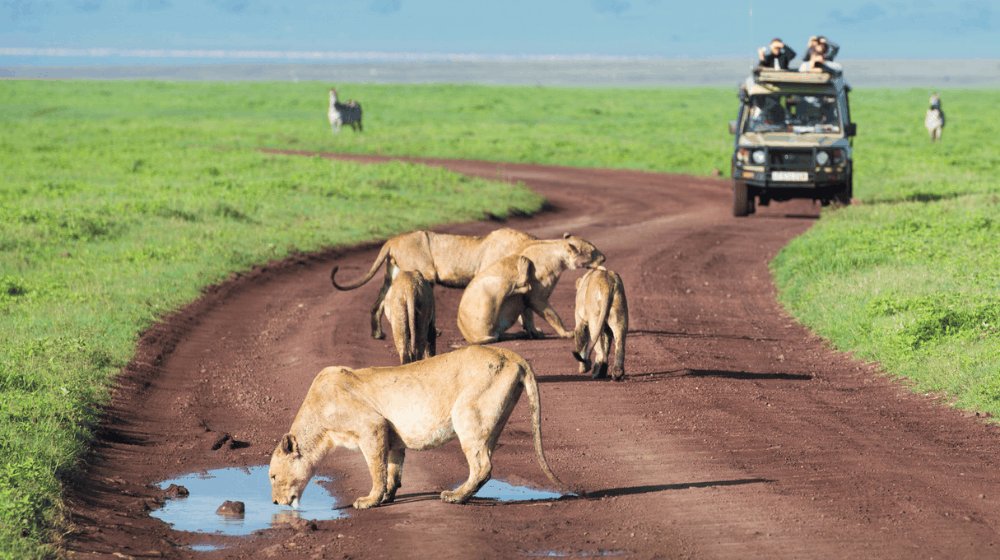
Africa offers some of the world’s most remarkable wildlife experiences. From vast savannahs and wetlands to deserts and coastal landscapes, the continent offers safari adventures and outdoor exploration.
A safari lets travelers observe animals in their natural habitats, often with experienced guides who understand local wildlife and ecosystems.
Tanzania and Kenya are particularly well known for the Great Migration, an annual movement involving more than a million wildebeest, along with large numbers of zebras and other grazing animals.
In Tanzania, the Serengeti is one of the main destinations for following the migration. The herds move through different parts of the ecosystem throughout the year, following rainfall and fresh grazing. The southern Serengeti and Ndutu area are particularly important during the calving season, usually around January and February.
In Kenya, the Maasai Mara forms another important part of the migration route. River crossings can occur when herds move between Tanzania and Kenya, although their timing and location depend on weather conditions and animal movements.
Botswana offers another distinctive safari experience in the Okavango Delta, where seasonal floodwaters create a network of channels, islands, and wetlands. Depending on water levels and local conditions, visitors may explore parts of the delta by traditional mokoro canoe and guided wildlife excursions.
South Africa: Big Five Safaris and Coastal Adventures
South Africa is an excellent destination for travelers who want to combine wildlife experiences with hiking, coastal exploration, and other outdoor activities.
Kruger National Park is one of the country’s best-known safari destinations. It sustains a wide range of wildlife, including the Big Five: lions, leopards, elephants, rhinoceroses, and African buffalo.
Visitors may explore parts of the park through self-drive safaris or organized game drives. Private reserves such as Sabi Sand, which borders Kruger National Park, also offer guided wildlife experiences.
Beyond safari, South Africa offers plenty for adventure enthusiasts.
Activities include hiking Table Mountain in Cape Town, exploring the Garden Route, surfing along the coast, and observing whales from suitable coastal viewpoints.
Gansbaai is also known for shark cage-diving experiences. However, great white shark sightings have become less predictable, and operators report that other shark species may be encountered more frequently. Travelers should never assume that a great white shark sighting is guaranteed.
Victoria Falls: White-Water Rafting and Adrenaline Adventures
Located on the border of Zambia and Zimbabwe, Victoria Falls is one of Africa’s most spectacular natural attractions.
The surrounding region offers activities for thrill-seekers, including guided hikes, scenic helicopter flights, bungee jumping, and white-water rafting on the Zambezi River.
White-water rafting opportunities depend on river conditions and seasonal water levels. During periods of particularly high water, certain sections or activities may be restricted.
Visitors can also combine a trip to Victoria Falls with a safari in nearby Chobe National Park in Botswana, which is particularly well known for its large elephant population.
When to go: The best time for a safari depends on the country, park, and wildlife experience you want. In many East and Southern African destinations, the dry season offers favorable wildlife-viewing conditions because wildlife often gather around remaining water sources. However, the green season can offer beautiful scenery, birdwatching opportunities, and access to key wildlife events such as the Serengeti’s calving season.
3. Patagonia, Chile and Argentina: Hiking Through the Wild Wilderness of South America
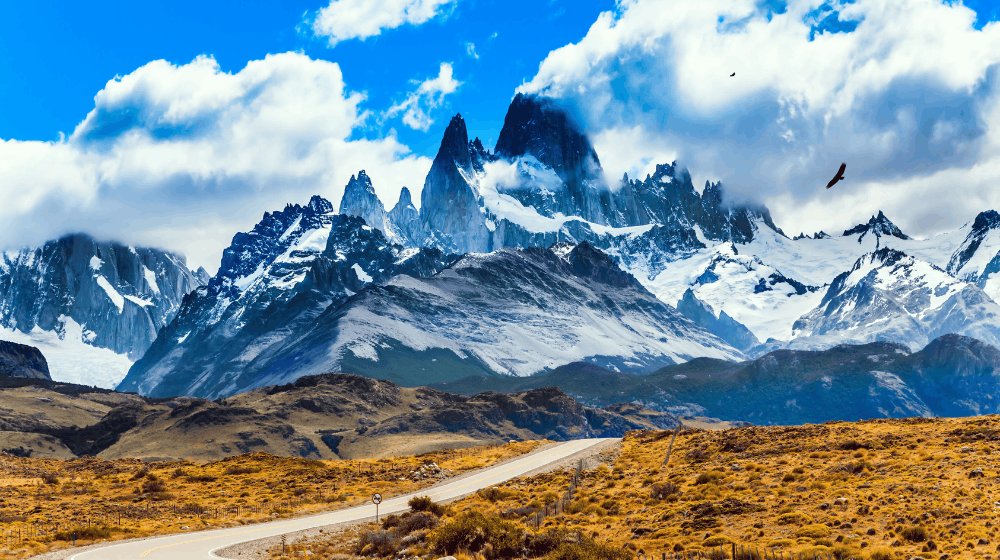
Patagonia is one of South America's most spectacular regions, stretching across southern Chile and Argentina.
Known for its glaciers, mountain ranges, turquoise lakes, and vast open landscapes, Patagonia is a dream destination for hikers, photographers, and nature lovers.
One of its most famous attractions is Torres del Paine National Park in Chile. The park features dramatic granite peaks, glacial lakes, and an extensive network of hiking trails.
The W Trek is among the region’s most popular multi-day hiking routes, taking visitors through some of the park’s best-known landscapes. More experienced hikers may consider the longer O Circuit, which includes additional sections around the mountain massif.
On the Argentine side, the Fitz Roy mountain range near El Chaltén offers spectacular hiking opportunities. Trails lead to viewpoints overlooking Mount Fitz Roy and surrounding glaciers, with routes available for different experience levels.
Another major attraction is Perito Moreno Glacier near El Calafate. Visitors can admire the glacier from designated walkways or join organized ice-trekking excursions that use specialist equipment, including crampons.
Patagonia’s weather can change quickly, even during summer. Strong winds, rain, and sudden temperature changes are common considerations when planning outdoor activities.
When to go: November to March is generally the most popular period for hiking in much of Patagonia, although conditions vary by location and elevation. Book ahead for popular trails and designated campsites. Some routes have seasonal access restrictions and specific accommodation requirements.
4. New Zealand: Mountains, Fjords and Outdoor Adventures
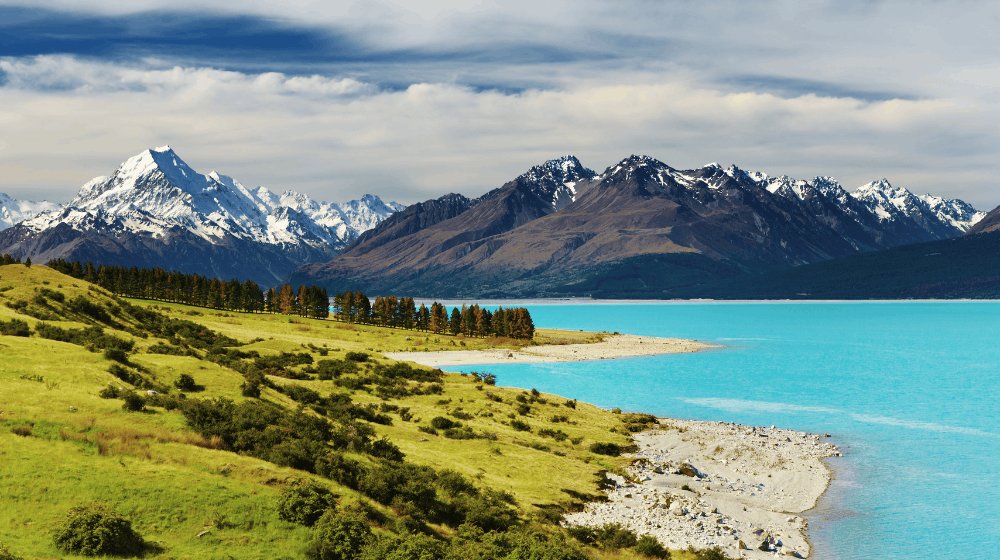
New Zealand is internationally recognized for its outdoor recreation and adventure tourism. Its landscapes range from volcanic plateaus and alpine mountains to fjords, forests and rugged coastlines.
Queenstown is one of the country’s best-known adventure destinations. Visitors can experience bungee jumping, skydiving, jet boating, canyon swinging and other adrenaline activities.
For hiking enthusiasts, New Zealand’s Great Walks offer some of the country’s most memorable outdoor experiences.
The Milford Track takes hikers through Fiordland National Park, passing glacier-carved valleys, waterfalls and rainforest. The Routeburn Track crosses alpine landscapes with views of mountain ranges and valleys, while the Kepler Track offers a challenging circuit through forests and exposed mountain ridges.
These multi-day routes have designated huts and campsites, and reservations are generally required during the Great Walks season.
The North Island offers a different kind of adventure. The Tongariro Alpine Crossing is a popular day hike through a volcanic landscape featuring crater formations, alpine terrain, and vividly coloured lakes.
New Zealand is an excellent choice for travelers who want to combine outdoor activities with well-established hiking infrastructure. However, mountain weather can change rapidly, and some trails become significantly more challenging outside their main operating seasons.
When to go: December to February is summer in New Zealand and a popular time for outdoor activities. The main Great Walks season generally runs from late October or November through April, depending on the individual track.
5. Iceland: Explore a Land of Fire and Ice
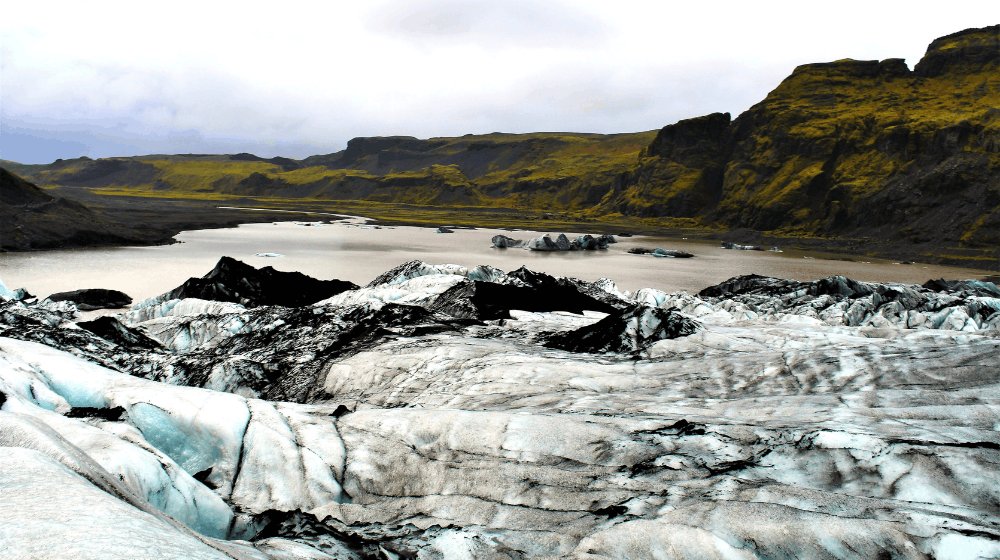
Iceland offers an extraordinary combination of volcanic terrain, glaciers, waterfalls, geothermal areas and black-sand beaches.
Its natural environment makes it one of the most exciting adventure destinations for travelers interested in hiking, glacier exploration, and outdoor photography.
One of Iceland’s best-known multi-day hiking routes is the Laugavegur Trail, which passes through colorful rhyolite mountains, geothermal valleys, volcanic terrain, and glacial landscapes.
For those interested in glacier adventures, guided excursions on glaciers such as Sólheimajökull offer an opportunity to explore ice formations and learn about the region’s glacial environment.
Another popular activity is snorkeling or diving in the Silfra fissure within Thingvellir National Park. The site is known for its exceptionally clear water and its geologic setting between the North American and Eurasian tectonic plates.
During winter, guided ice-cave excursions provide another way to experience Iceland’s glacial landscapes. These activities are dependent on seasonal conditions and should be undertaken with qualified guides.
Iceland also offers the possibility of seeing the Northern Lights during the darker months, although sightings depend on cloud cover, solar activity, and other conditions.
When to go: Summer, particularly June to August, offers long daylight hours and better access to many hiking routes. Winter, from approximately September to March, provides opportunities to see the Northern Lights and join seasonal ice-cave excursions.
6. Peru: Ancient Inca Trails and High-Altitude Adventures
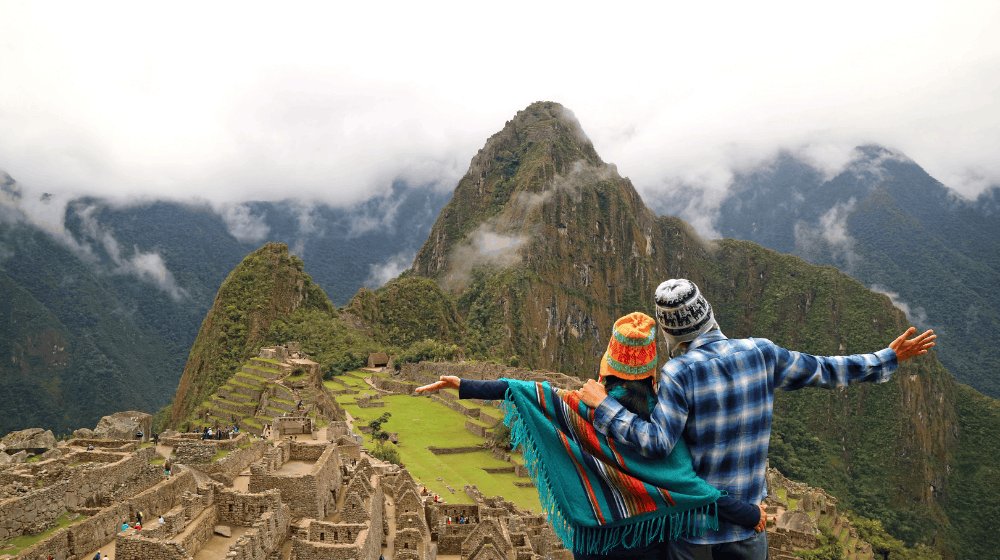
Peru combines outdoor adventure with cultural sightseeing.
The country’s Andes Mountains offer spectacular trekking opportunities, while its archaeological sites create a fascinating connection to Inca history.
The Inca Trail to Machu Picchu is one of the world’s most famous trekking routes. The classic four-day itinerary follows ancient stone trails through mountain landscapes and cloud forest before reaching the historic citadel of Machu Picchu.
Access to the official Inca Trail is regulated, and permits are limited. Travelers should book through an authorized operator and check availability well in advance.
For those looking for alternative trekking experiences, Peru offers several other remarkable routes.
The Salkantay Trek passes beneath dramatic mountain scenery and offers an alternative approach to Machu Picchu. The Lares Trek combines mountain landscapes with opportunities to visit traditional Andean communities, while the Ausangate circuit is known for its high-altitude scenery and colorful mountain landscapes.
Beyond trekking, visitors can discover the Sacred Valley, visit the Rainbow Mountain region, and discover the Amazon rainforest.
When to go: The dry season in the Andes generally runs from May to September, making it a popular period for trekking. The rainy season typically runs from November to March, although conditions vary across the country. Always check current trail conditions and permit arrangements before traveling.
7. Costa Rica: Rainforests, Volcanoes and Wildlife Encounters
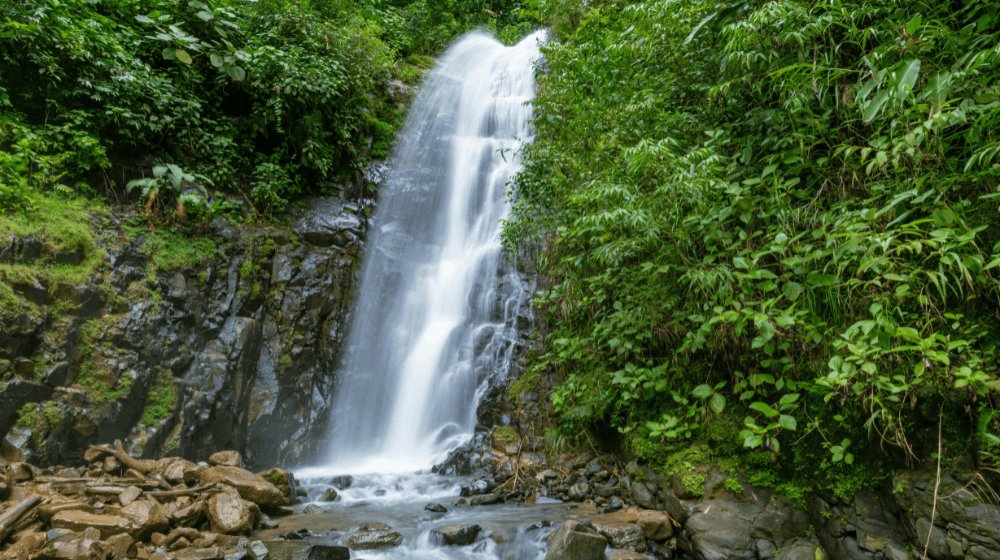
Costa Rica is an excellent destination for travelers who want to experience nature through outdoor activities.
Despite its relatively small size, the country has an extraordinary variety of ecosystems, including tropical rainforests, cloud forests, beaches, rivers, and volcanic terrain.
More than a quarter of Costa Rica’s land area is protected, making conservation an important part of its environmental identity.
Adventure activities include ziplining through forest canopies, white-water rafting, surfing, hiking, and observing wildlife.
The Pacuare River is particularly popular for rafting, with routes passing through tropical forest and river canyons.
Arenal Volcano National Park is another well-known destination, providing hiking trails and opportunities to explore the surrounding rainforest and volcanic terrain.
For wildlife lovers, national parks and protected areas offer chances to spot sloths, monkeys, toucans, frogs, and many other species.
Costa Rica also offers excellent coastal adventures, from surfing along the Pacific coast to snorkeling and diving in selected marine areas.
When to go: Costa Rica generally has a dry season from December to April and a wetter season from May to November. However, rainfall patterns differ between the Pacific and Caribbean coasts, so the best time to travel depends on your destination and planned activities.
8. Norway: Fjords, Mountain Trails and Arctic Adventures
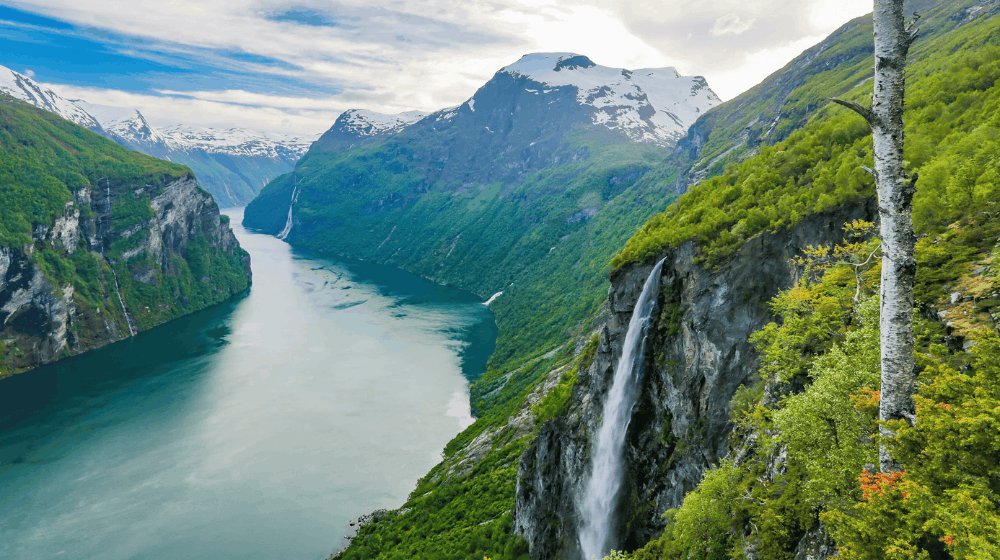
Norway is a remarkable destination for travelers drawn to dramatic mountain scenery, deep fjords, and Arctic landscapes.
The country’s outdoor activities change considerably throughout the year, making it appropriate for different types of adventure.
One of Norway’s most famous hiking destinations is Preikestolen, also known as Pulpit Rock. The viewpoint rises above Lysefjord and offers spectacular panoramas of the surrounding mountains and water.
Another well-known hiking destination is Trolltunga, a dramatic rock formation overlooking Lake Ringedalsvatnet. The hike is long and physically demanding, requiring proper preparation and attention to weather conditions.
Norway’s fjords also offer opportunities for kayaking, boat excursions and exploring remote coastal settlements.
Further north, the Lofoten Islands attract hikers, photographers and outdoor enthusiasts with their mountains, beaches and fishing villages.
In winter, visitors can enjoy dog sledding and guided snow adventures in selected Arctic destinations. Tromsø is also a popular starting point for Northern Lights excursions.
When to go: Summer, from June to August, is ideal for hiking and kayaking. Winter, from approximately November to March, offers snow-based activities and Northern Lights viewing, though sightings are never guaranteed.
9. Jordan: Desert Landscapes and Ancient Wonders
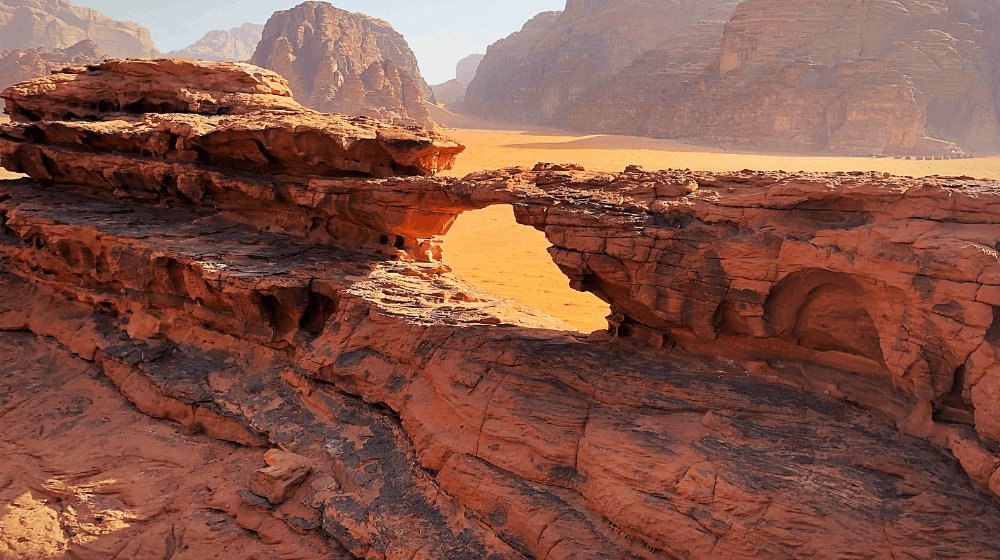
Jordan offers a distinctive combination of desert exploration, historical sites, and outdoor adventures.
One of its most famous attractions is Petra, an ancient archaeological city known for its monumental buildings carved into sandstone cliffs. The site was an important center of the Nabataean civilization and remains one of the region’s most remarkable historical destinations.
For adventure enthusiasts, Wadi Rum offers an entirely different experience.
Its vast desert landscape features sandstone mountains, natural rock formations, and expansive red sand dunes. Visitors may explore the area through guided jeep excursions, hiking, scrambling, and overnight desert camping.
Local Bedouin guides play an important role in helping visitors understand the region’s environment, history, and culture.
Jordan is also home to the Jordan Trail, a long-distance hiking route that extends approximately 675 kilometers from Um Qais in the north to Aqaba in the south. It passes through villages, desert landscapes, valleys, and historic areas.
Another popular outdoor destination is Wadi Mujib, where seasonal canyoning and water-based activities offer a different way to explore Jordan’s natural environment. Access to certain routes depends on weather, water levels, and official seasonal operating arrangements.
Visitors can also experience the Dead Sea, known for its exceptionally high salt concentration and unusual floating experience.
When to go: Spring (March to May) and autumn (September to November) are generally comfortable for outdoor exploration, although temperatures and conditions vary across the desert, mountains, and low-lying areas.
10. The Philippines: Island Adventures and Tropical Exploration
The Philippines is one of Southeast Asia’s most exciting destinations for travelers who love beaches, mountains, marine life, and outdoor exploration.
With more than 7,000 islands, the country offers a wide variety of adventure experiences, from scuba diving and surfing to mountain trekking and island-hopping.
Malapascua Island in Cebu is internationally known for thresher shark diving, particularly around Monad Shoal. Encounters depend on marine conditions and wildlife behavior, but the area remains an important destination for experienced divers.
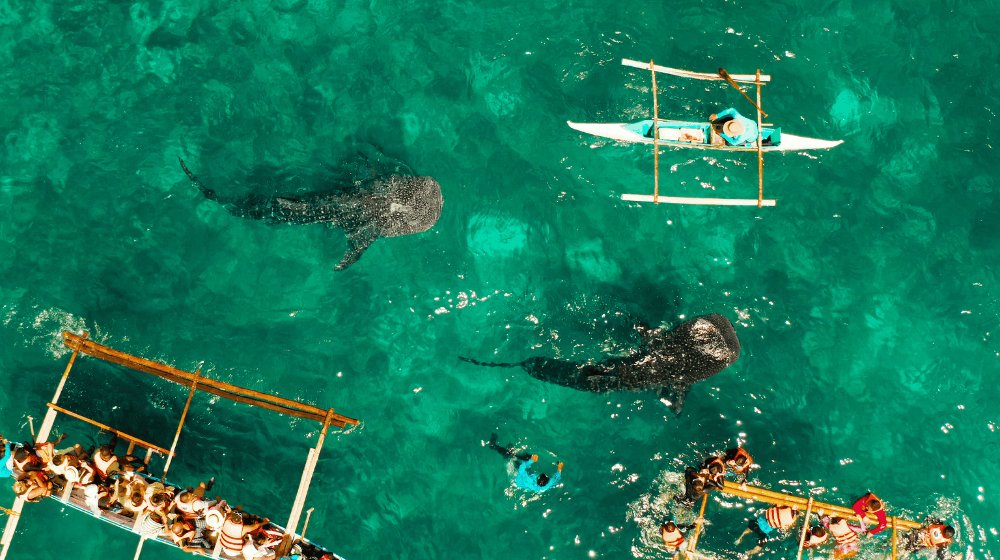
For whale shark encounters, Donsol in Sorsogon offers a guide-led experience that emphasizes responsible wildlife interaction. Sightings are seasonal and never guaranteed.
Travelers should also understand the difference between Donsol and Oslob in Cebu. Oslob’s whale shark tourism model features regular feeding, which has raised significant concerns about how human interaction affects whale sharks' natural behavior. Visitors interested in responsible wildlife tourism should research these differences before choosing an activity.
For island adventures, El Nido and Coron in Palawan are famous for their limestone cliffs, lagoons, beaches, and marine environments. Island-hopping tours let you explore these landscapes by boat.
Siargao is another popular destination, particularly for surfing, while Mount Pulag in Luzon attracts hikers with its high-altitude trails and famous sea-of-clouds views.
From diving and surfing to trekking and kayaking, the Philippines offers plenty of ways to explore beyond the usual beach holiday.
When to go: The dry season generally runs from November to May in many parts of the Philippines, although weather patterns vary between regions. Travelers should check local forecasts, sea conditions, and seasonal activity schedules before planning outdoor excursions.
How to Choose the Right Adventure Travel Destination
With so many incredible destinations, deciding where to go can be challenging. Your interests, physical fitness, available time, and the type of experience you want determine the best choice.
Here are a few important considerations.
1. Consider your fitness level
Not every adventure requires the same level of physical preparation. A multi-day trek to Everest Base Camp involves sustained walking at high altitude, while a wildlife safari generally requires much less physical exertion.
Be realistic about your fitness level and choose activities that match your experience.
2. Think about the experience you want
Are you interested in mountain trekking, wildlife encounters, water sports, cycling, or exploring local culture?
The Himalayas and Patagonia are excellent choices for mountain enthusiasts. Africa is especially attractive for wildlife experiences, while Costa Rica and the Philippines offer a range of varied tropical adventures.
3. Research the best travel season
Weather can greatly affect adventure activities. Some hiking routes have seasonal access restrictions, while wildlife experiences depend on animal movements and environmental conditions.
Research the conditions for your specific destination rather than relying on general country-wide tourism seasons.
4. Understand the costs and logistics
Your overall budget should account for transport, accommodation, activity fees, equipment, guides, and permits where required.
Remote destinations and high-altitude treks may require additional planning, while some popular activities have limited availability.
5. Select reputable local adventure Providers
Experienced guides can significantly shape your experience, especially for activities involving altitude, challenging terrain, wildlife, or water.
Look for Providers with appropriate qualifications, clear safety procedures, transparent pricing, and responsible tourism practices.
For trekking destinations, consider how operators treat their guides, porters, and local communities. Responsible adventure travel should benefit the people and places that make these experiences possible.
Start Planning Your Next Adventure With ActionTrails
The world is full of incredible places waiting to be visited. Whether you dream of trekking through the Himalayas, discovering Africa's wildlife, hiking across Patagonia, or visiting the tropical islands of the Philippines, there is an adventure for every kind of traveler.
Finding the right experience is the first step.
At ActionTrails.com, we connect adventure seekers with Providers offering outdoor experiences worldwide. From trekking and mountaineering to safaris, water sports, and other exciting activities, our marketplace makes it easier to discover adventures and discover available experiences.
Browse different activities, compare options, and connect with Providers to find an experience that suits your interests and travel plans.
Ready for your next adventure? Explore the adventures available on ActionTrails and start planning your next journey. For questions, send us a message at info@actiontrails.com